Description
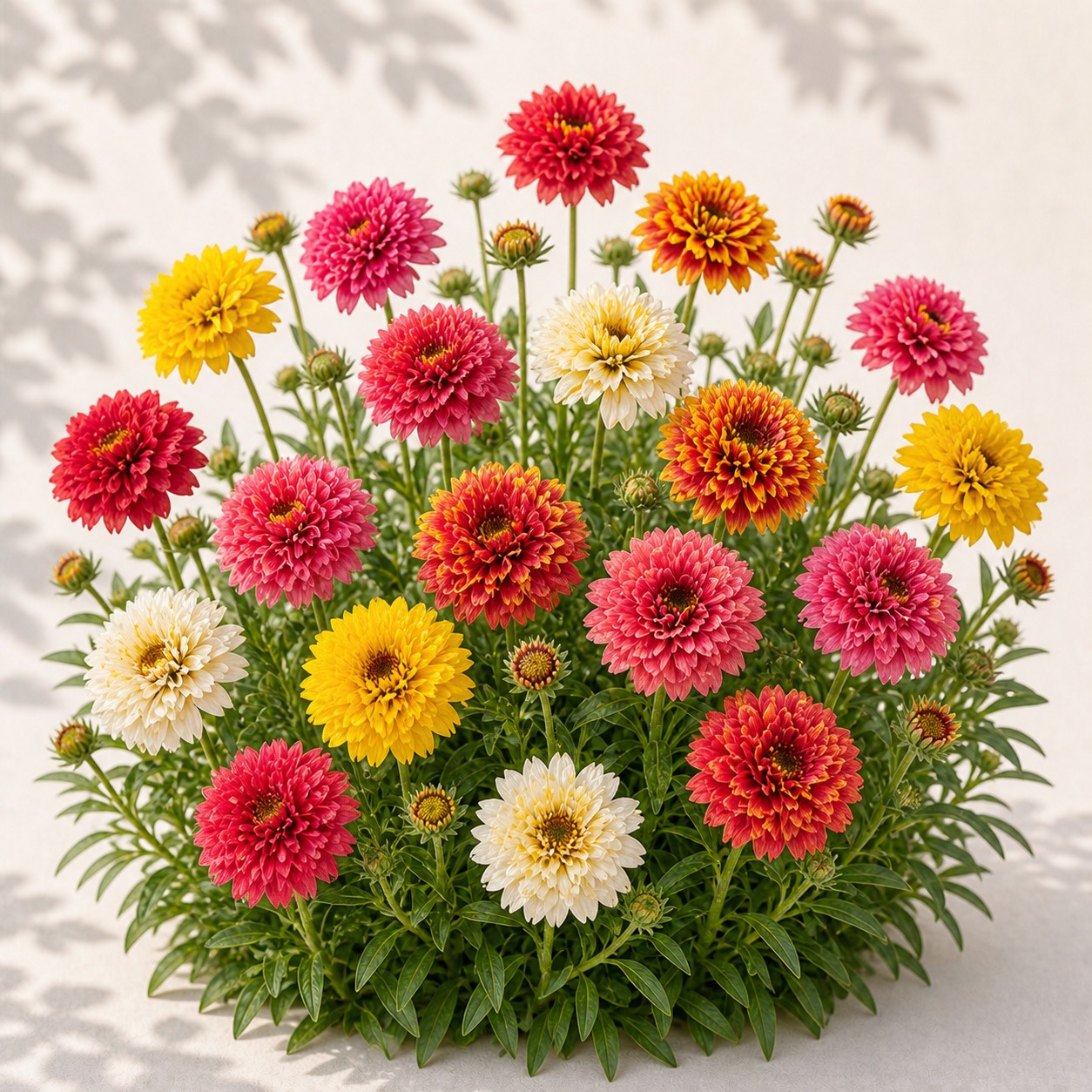
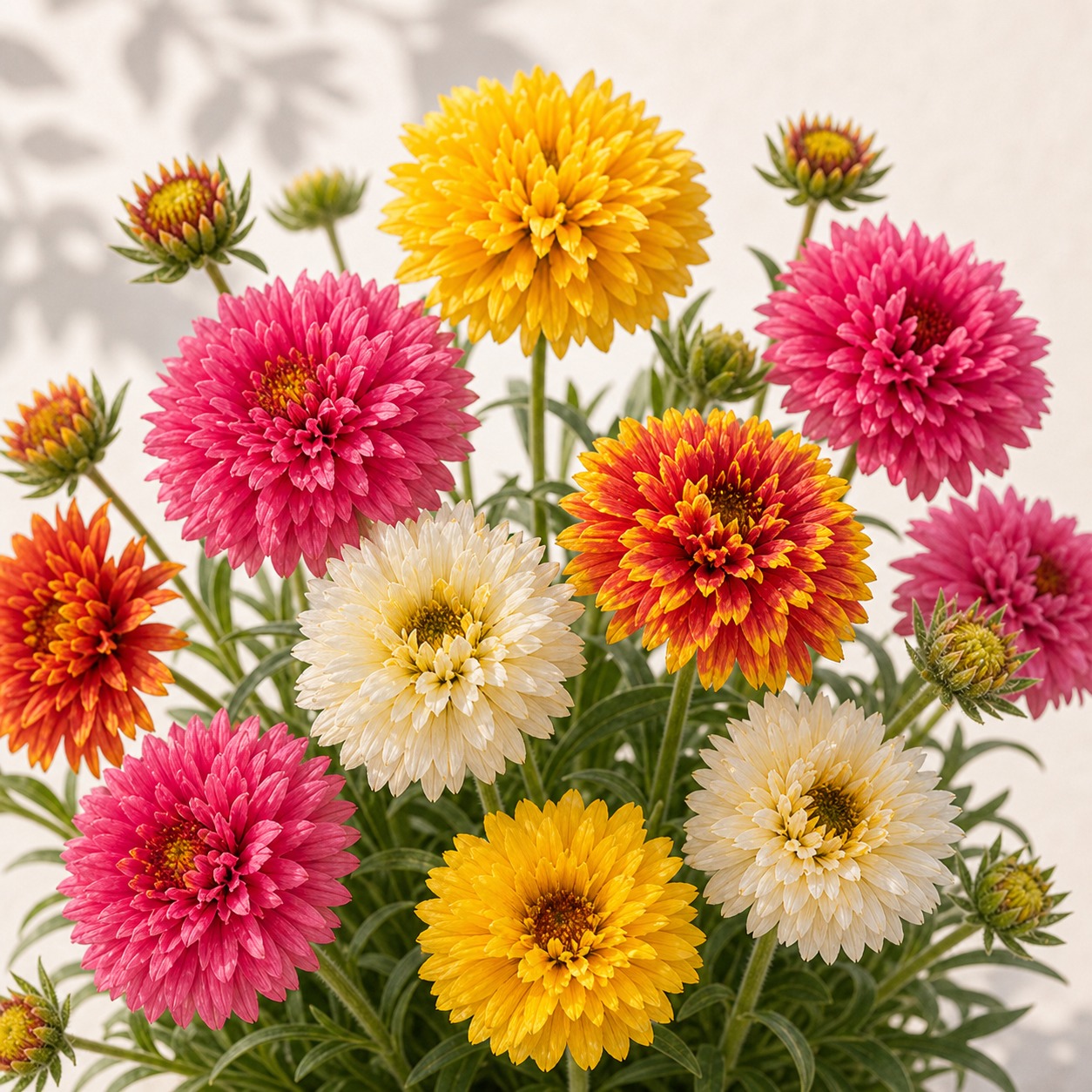
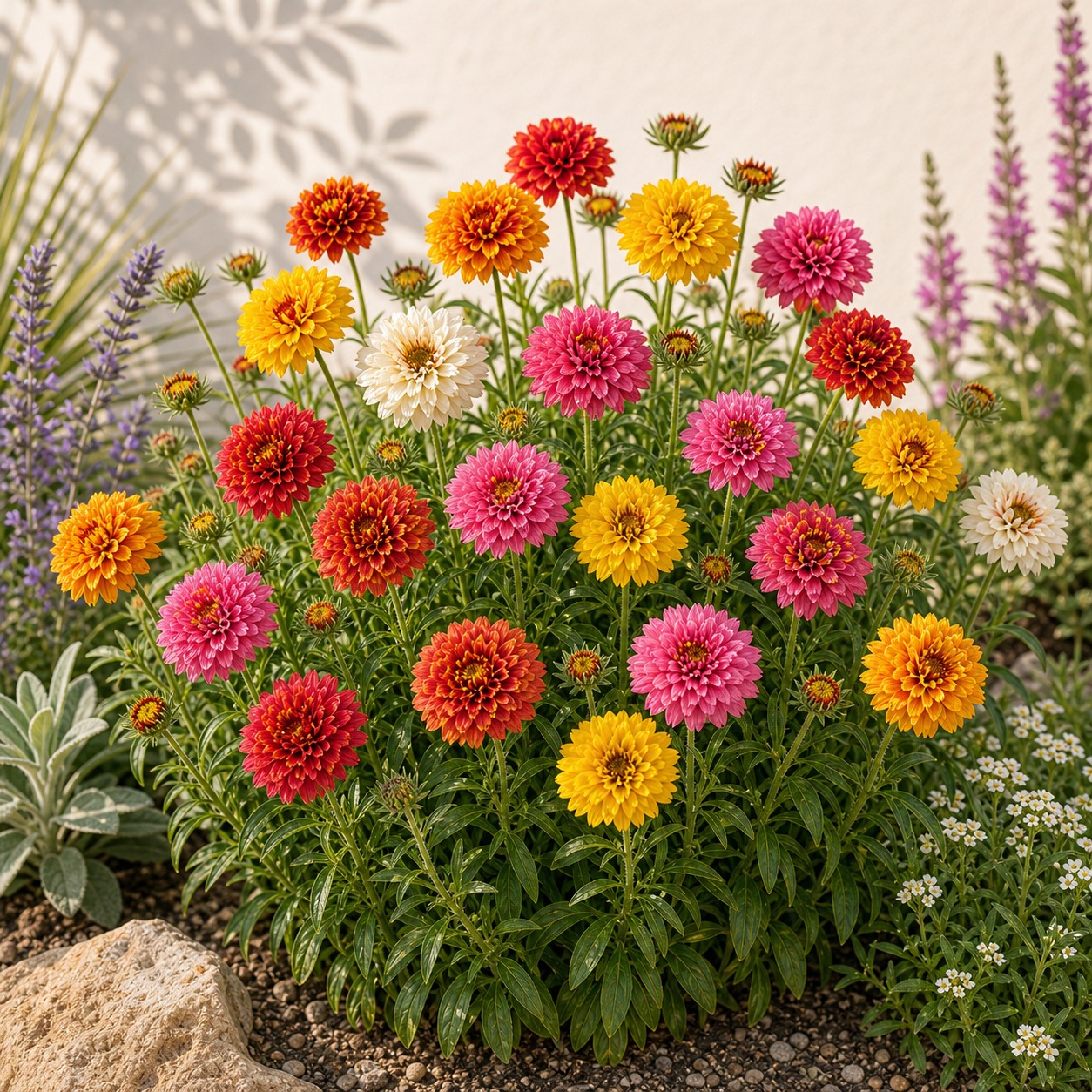
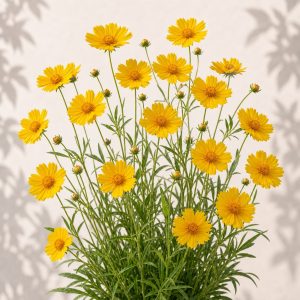
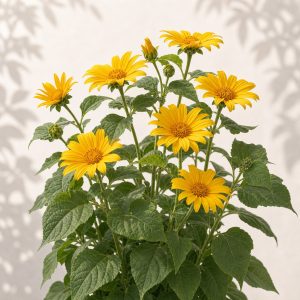
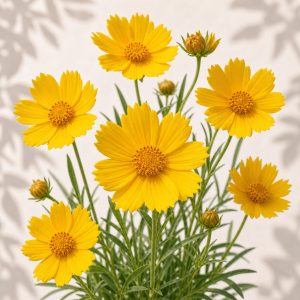
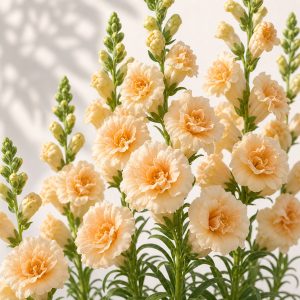
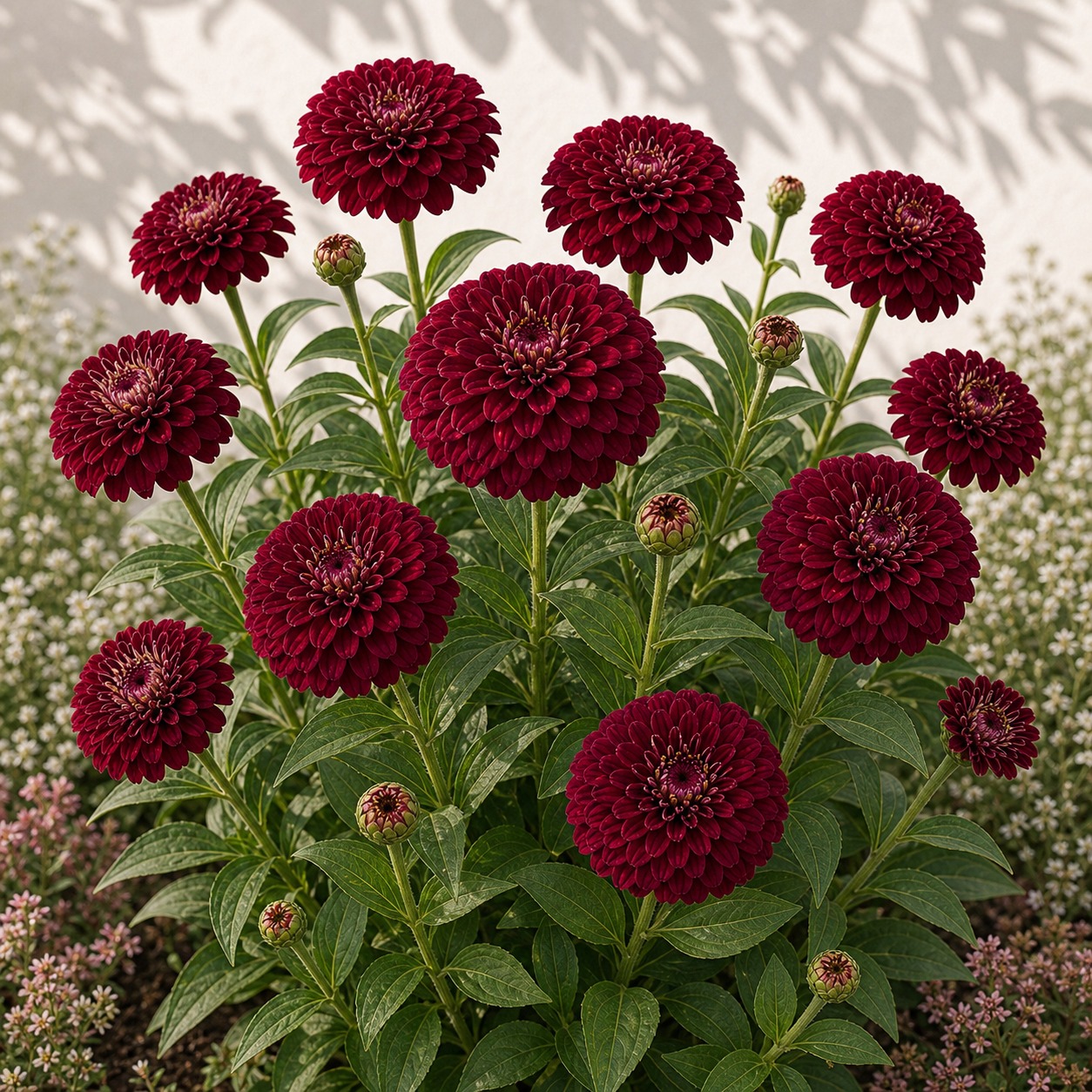
Double Blanket Flower Seeds grow Gaillardia pulchella plants with mixed red, pink, yellow, and white double blooms. This native blanket flower mix gives sunny borders, dry gardens, and pollinator plantings a fluffy, colorful summer-to-fall display that is distinct from ordinary single blanket flowers.
Why Grow It
- Mixed double blooms appear in red, pink, yellow, and white for cheerful summer-to-fall color.
- Gaillardia pulchella is native to Florida and the southeastern United States.
- Attractive to bees and butterflies, especially in sunny pollinator beds and meadow-style plantings.
- Perennial in zones 3-10, though often grown as an annual or short-lived perennial in garden settings.
- Watermark-free product imagery is generated for the Nuptial Co. catalog, created without reused third-party photography.
Growing Information
| Botanical name | Gaillardia pulchella |
|---|---|
| Life cycle | Perennial in zones 3-10; often grown as an annual or short-lived perennial |
| Mature height | 12-24 in. flowering plants |
| Light | Full sun |
| Bloom or harvest window | Summer to fall |
| Seed count | 25 seeds |
| Sowing advice | Start indoors 6-8 weeks before the last frost or direct sow after frost danger passes. Sow shallowly, barely cover, and keep evenly moist until established. |
| Spacing | Space plants about 12-18 in. apart |
| Germination | Usually 10-20 days at about 65-75 F with even moisture |
Best For
- native wildflower beds
- pollinator borders
- dry sunny gardens
- mixed flower plantings
- cut-and-come color
Packet Details
Includes 25 seeds. Store seeds cool, dry, and dark until sowing. Choose full sun and well-drained soil for the best flowering.
FAQ
Are these ordinary single blanket flowers?
No. This mix is selected for double, fluffy blooms rather than the usual single daisy-like blanket flower form.
Does Double Blanket Flower need full sun?
Yes. Full sun supports the strongest flowering, compact growth, and drought tolerance after plants establish.
Will it attract pollinators?
Yes. The summer and fall blooms are attractive to bees and butterflies.
Reviews
There are no reviews yet.