Description
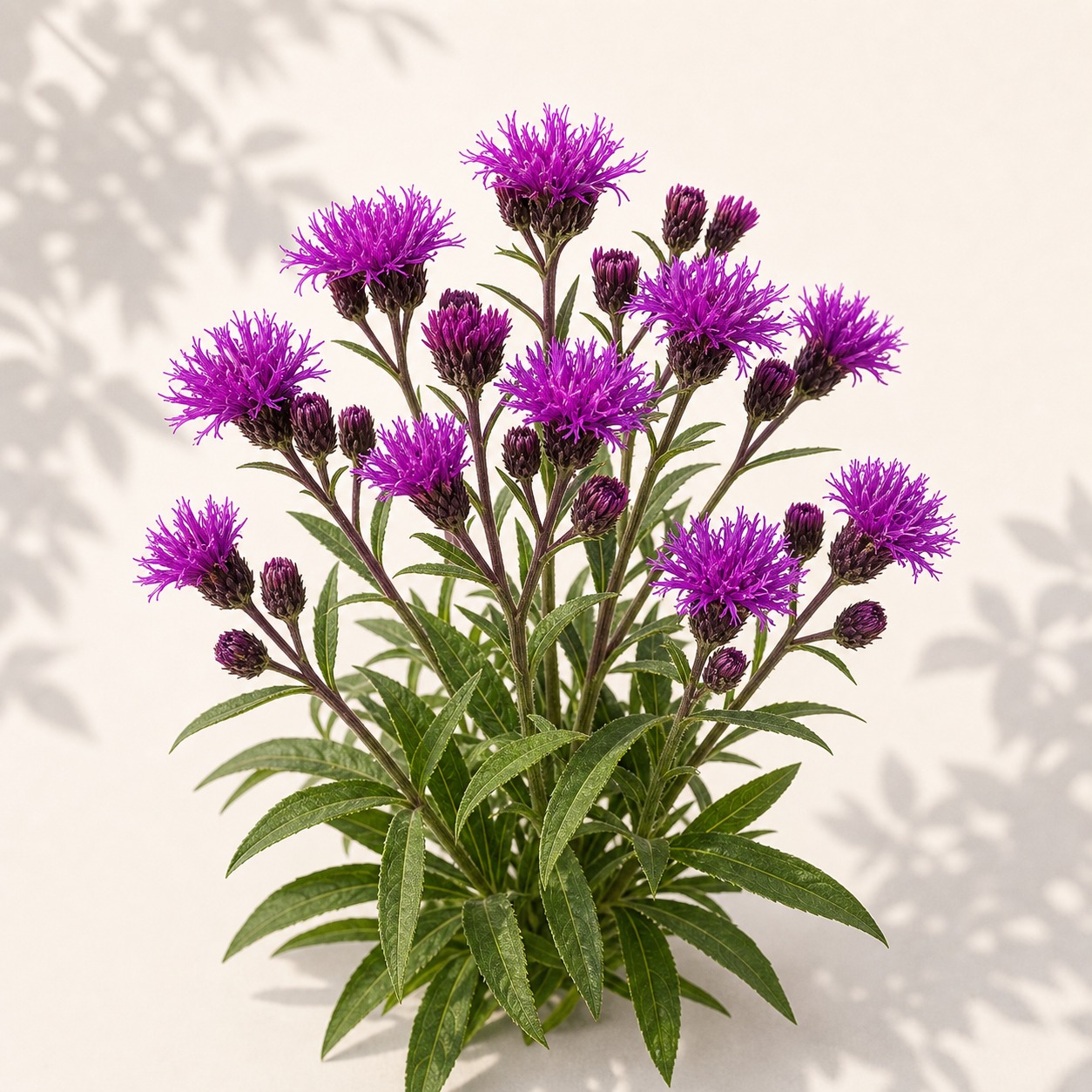
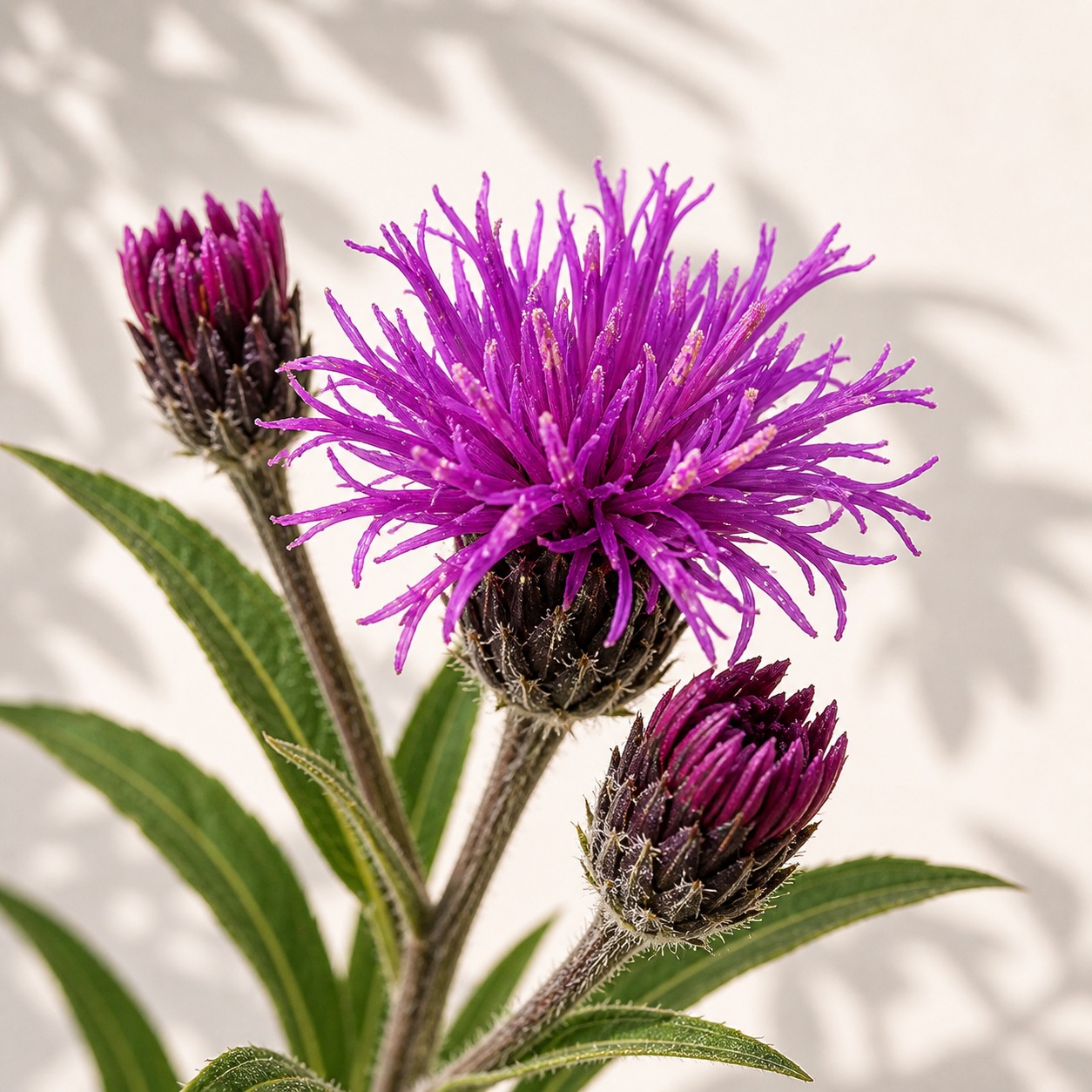
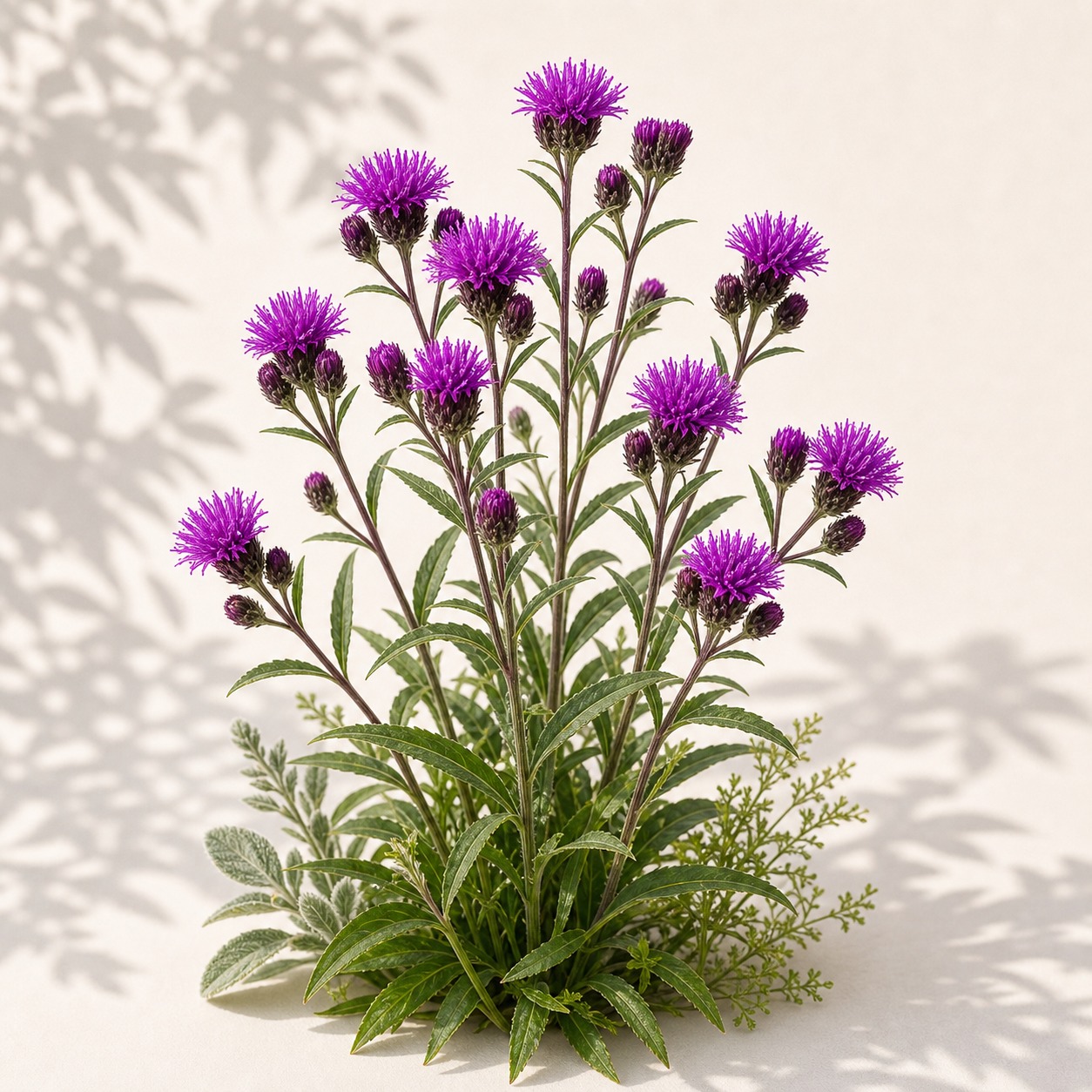
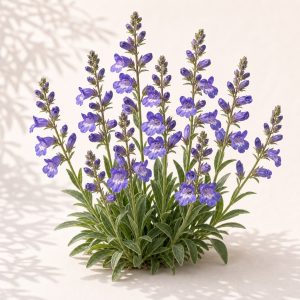
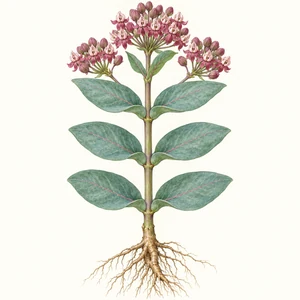
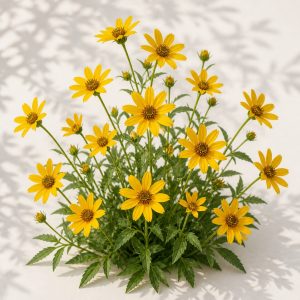
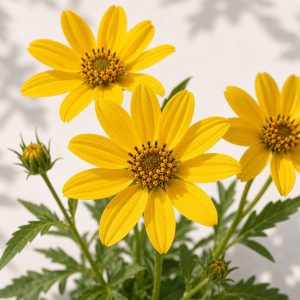
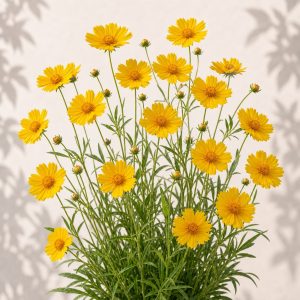
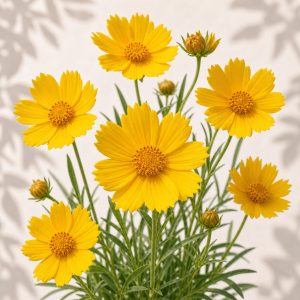
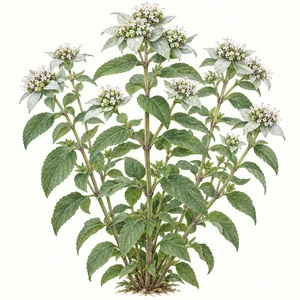
Baldwin's Ironweed (Vernonia baldwinii) is a resilient North American native perennial wildflower for meadow, prairie, and pollinator plantings. It produces richly colored purple flower clusters from midsummer into fall, when late nectar matters most, and its deep roots help stabilize soil in grassland-style gardens.
Why Grow It
- Native North American perennial wildflower with vibrant purple flower clusters.
- Blooms from midsummer through fall, helping extend nectar availability late in the season.
- Supports monarchs, swallowtails, native bees, and other pollinators.
- Deep-rooted 2-5 ft plants suit prairie, meadow, and habitat restoration plantings.
- Performs best in full sun and medium to dry soils once established.
Growing Information
| Botanical name | Vernonia baldwinii |
|---|---|
| Life cycle | Long-lived native perennial wildflower |
| Mature height | 2-5 ft. |
| Light | Full sun |
| Bloom window | Midsummer through fall |
| Seed count | Approx. 50 seeds |
| Soil | Medium to dry soils; drought tolerant once established |
| Sowing advice | Sow outdoors in late fall or winter, or cold stratify moist seed for about 30 days before spring sowing. |
| Spacing | 18-30 in. apart in meadow or pollinator plantings |
| Germination | Best after cold stratification; keep evenly moist after sowing and allow natural variation. |
| Hardiness | Perennial in zones 4-9 |
Best For
- native pollinator gardens
- prairie and meadow plantings
- monarch and butterfly habitat
- late-season nectar borders
- soil-stabilizing restoration plantings
Packet Details
Includes approx. 50 seeds. Store cool, dry, and dark until sowing. no pesticides, GMOs, or synthetic fertilizers.
FAQ
Does Baldwin's ironweed need cold stratification?
Yes. we recommend about 30 days of cold stratification to help break dormancy before spring sowing, or outdoor sowing in late fall or winter.
How tall does it grow?
Baldwin's ironweed is described as reaching about 2-5 ft tall with a strong upright habit.
Is it good for pollinators?
Yes. Its midsummer-to-fall purple blooms are valuable for monarchs, swallowtails, native bees, and other late-season pollinators.
Reviews
There are no reviews yet.