Description
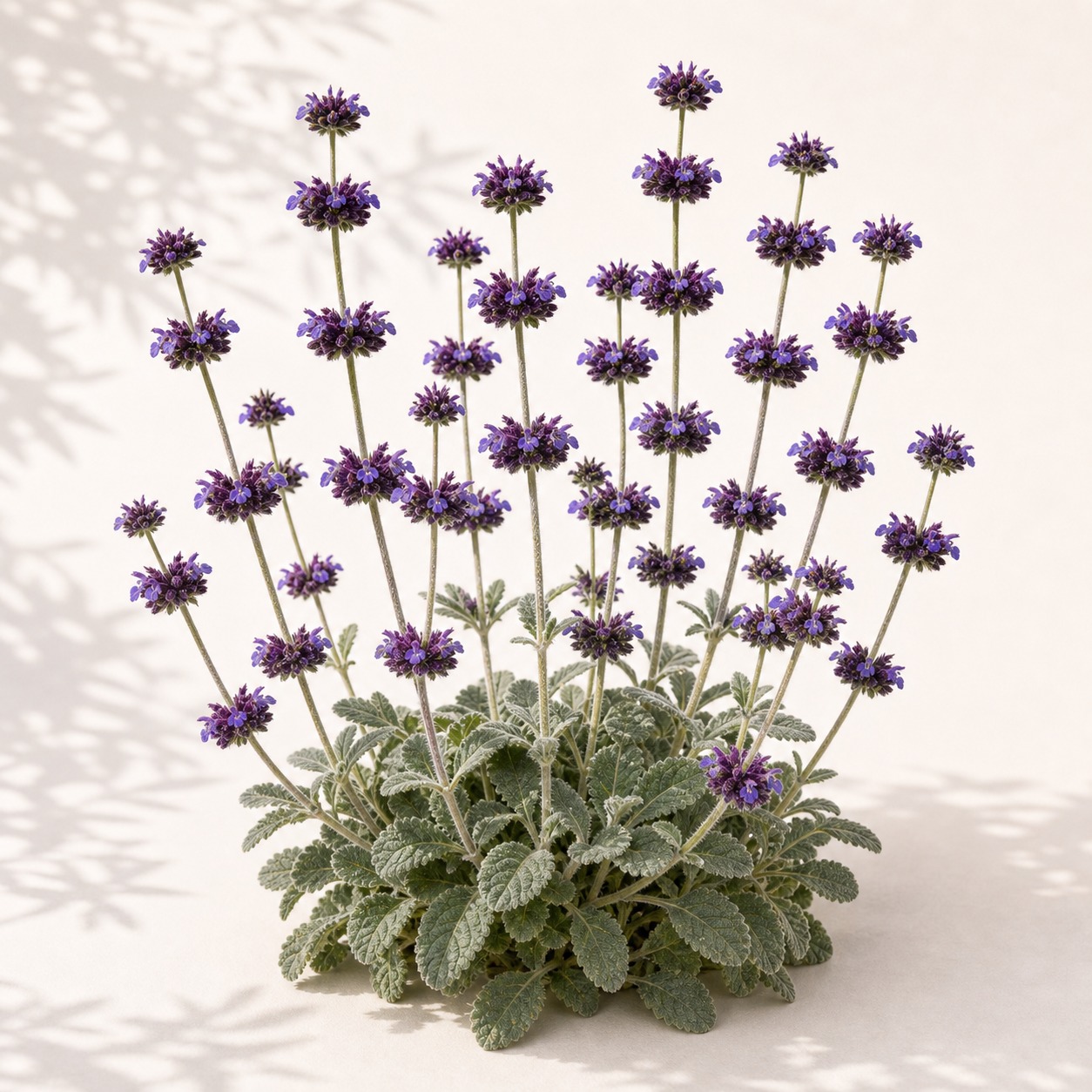
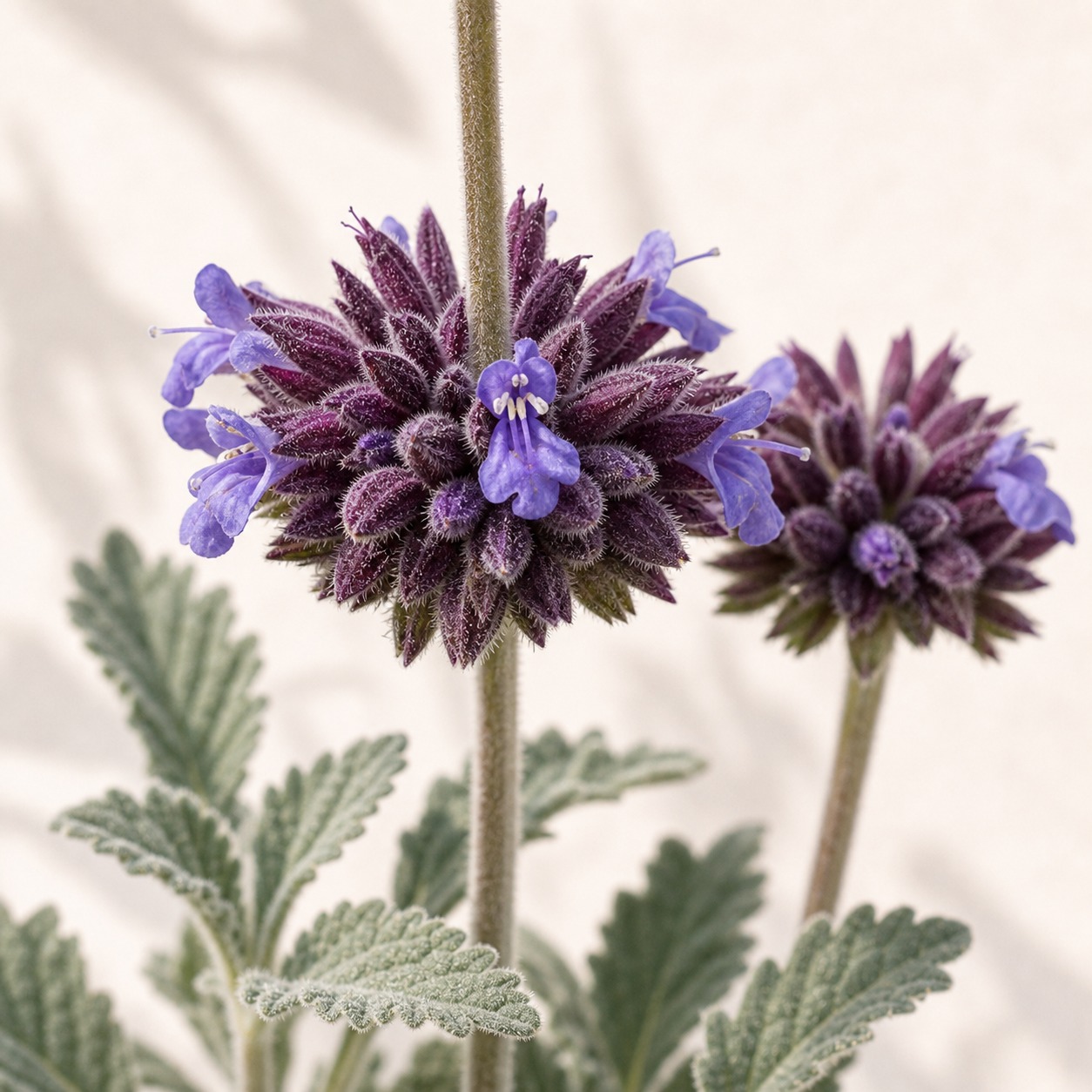
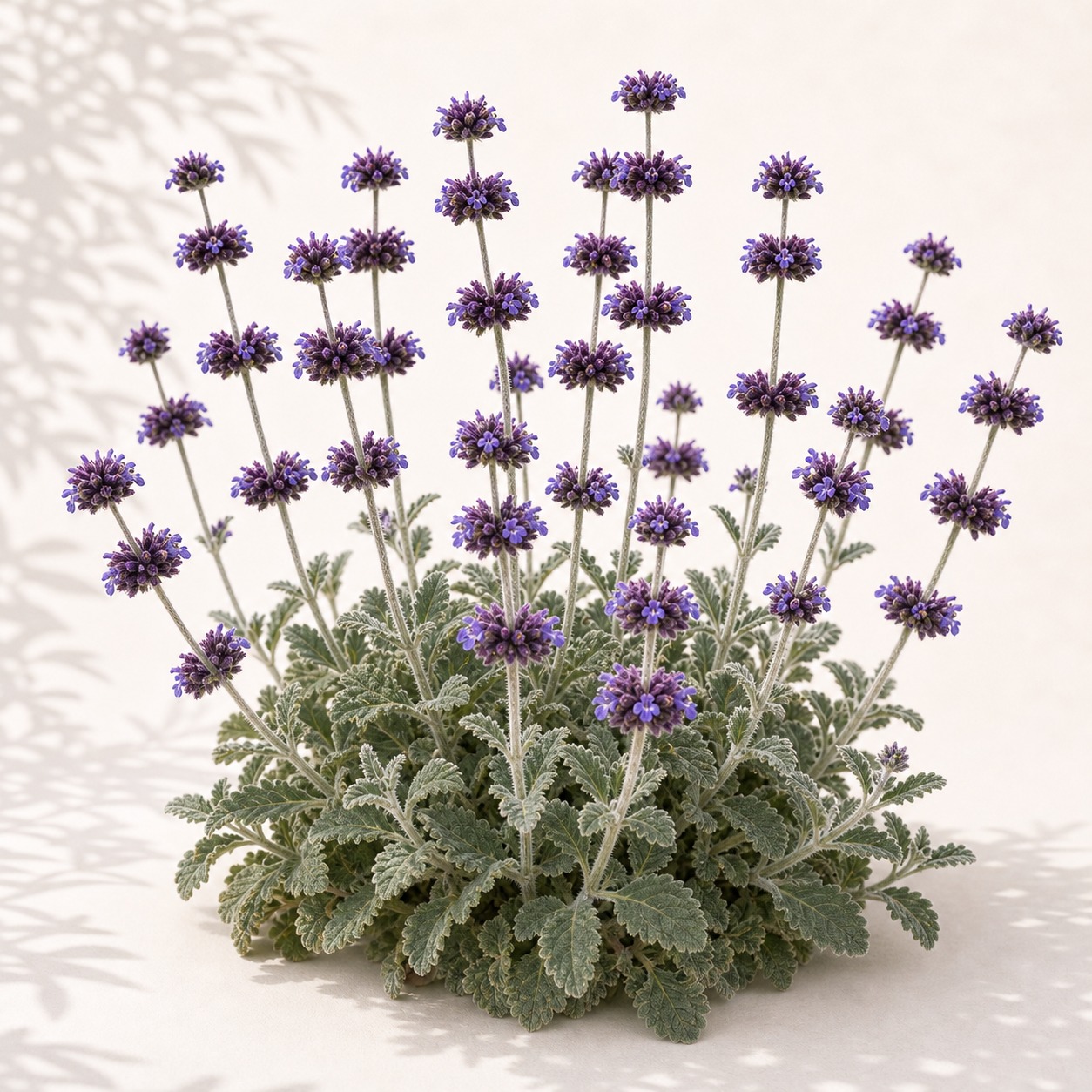
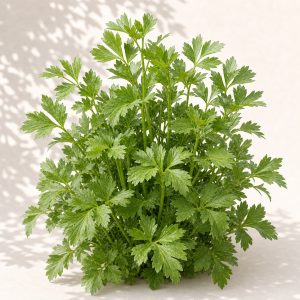
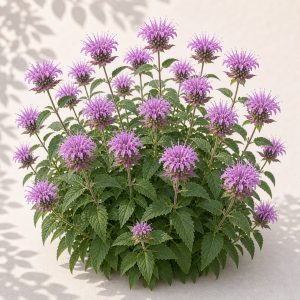
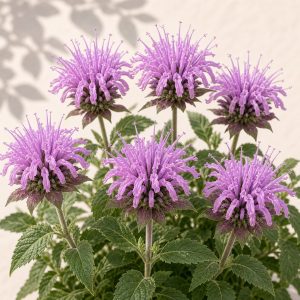
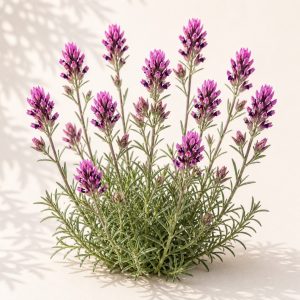
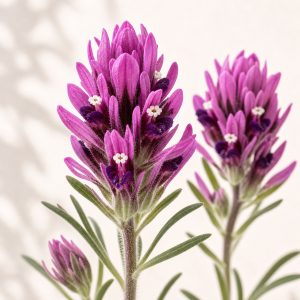
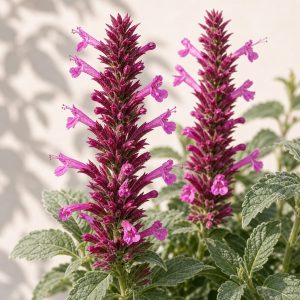
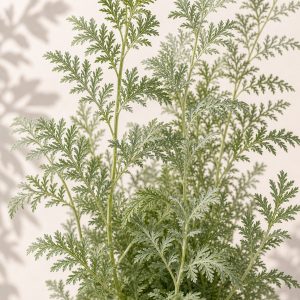
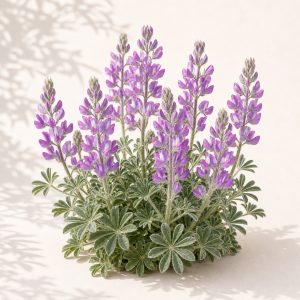
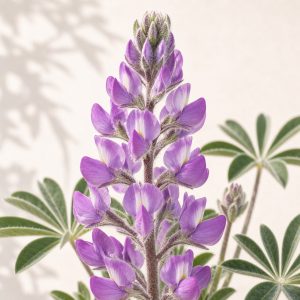
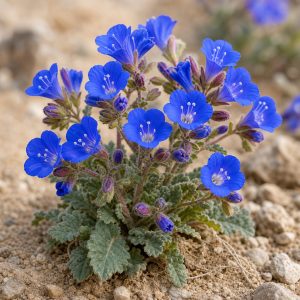
Desert Chia Sage Seeds grow into Salvia columbariae, an annual native herb and wildflower known for upright stems, rounded blue-purple flower whorls, and dryland pollinator value. It is a strong fit for Southwestern native beds, heritage chia plantings, and low-water spring color where cool-season moisture supports establishment.
Why Grow It
- Salvia columbariae, the native desert chia sage associated with blue-purple spring flower whorls.
- Best for full-sun native herb beds, pollinator plantings, dry meadow edges, and Southwestern wildflower gardens.
- Includes 100 planting seeds plus practical sowing, spacing, light, bloom, and germination notes.
Growing Information
| Botanical name | Salvia columbariae |
|---|---|
| Life cycle | Annual native herb and wildflower |
| Mature height | 6-20 in. |
| Light | Full sun |
| Bloom or harvest window | Spring to early summer bloom in suitable dryland climates |
| Seed count | 100 seeds |
| Sowing advice | Sow fall through winter in mild dryland climates, or start early spring where winters are severe. Surface sow or cover very lightly in well-drained soil and keep evenly moist until germination. |
| Spacing | 8-12 in. apart, or broadcast thinly for native herb and wildflower patches |
| Germination | Often 7-21 days in cool to mild, lightly moist conditions |
Best For
- native herb gardens
- pollinator plantings
- dry meadow edges
- Southwestern wildflower beds
- heritage chia plantings
Packet Details
Includes 100 seeds. Store seeds cool, dry, and dark until sowing. Use the growing table above as a planning reference for your local season.
FAQ
Is this the same plant as chia?
This listing is for Salvia columbariae, commonly called desert chia or chia sage. The packet is sold as planting seed for the garden, not as food seed.
When should I sow Desert Chia Sage?
In mild winter and desert climates, fall through winter sowing helps the seed use cool-season moisture before spring bloom. In colder areas, start early spring after severe cold passes.
Does it need rich soil?
No. Desert Chia Sage is best treated as a dryland native herb: use well-drained soil, full sun, and avoid heavy, constantly wet conditions.
Reviews
There are no reviews yet.