Description
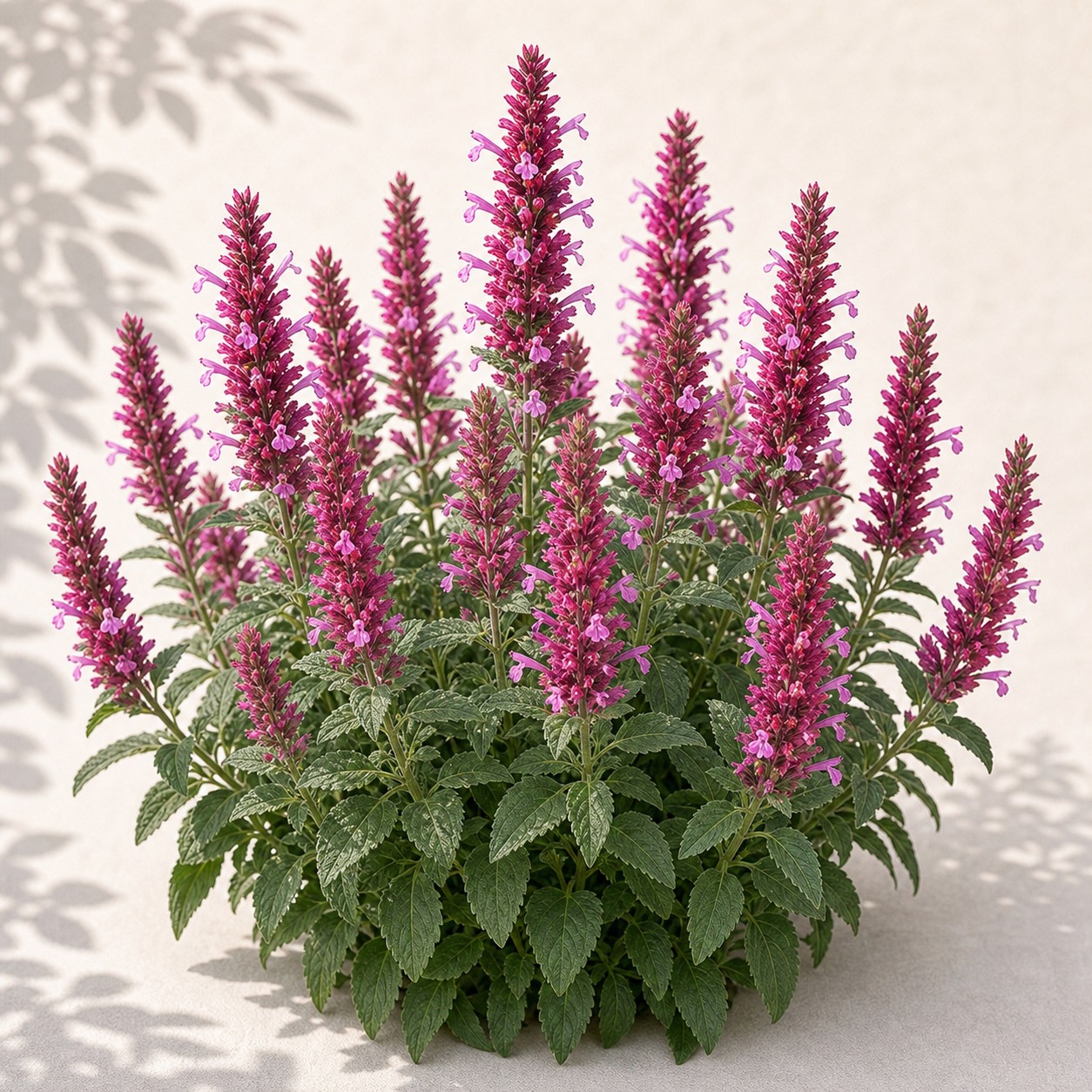
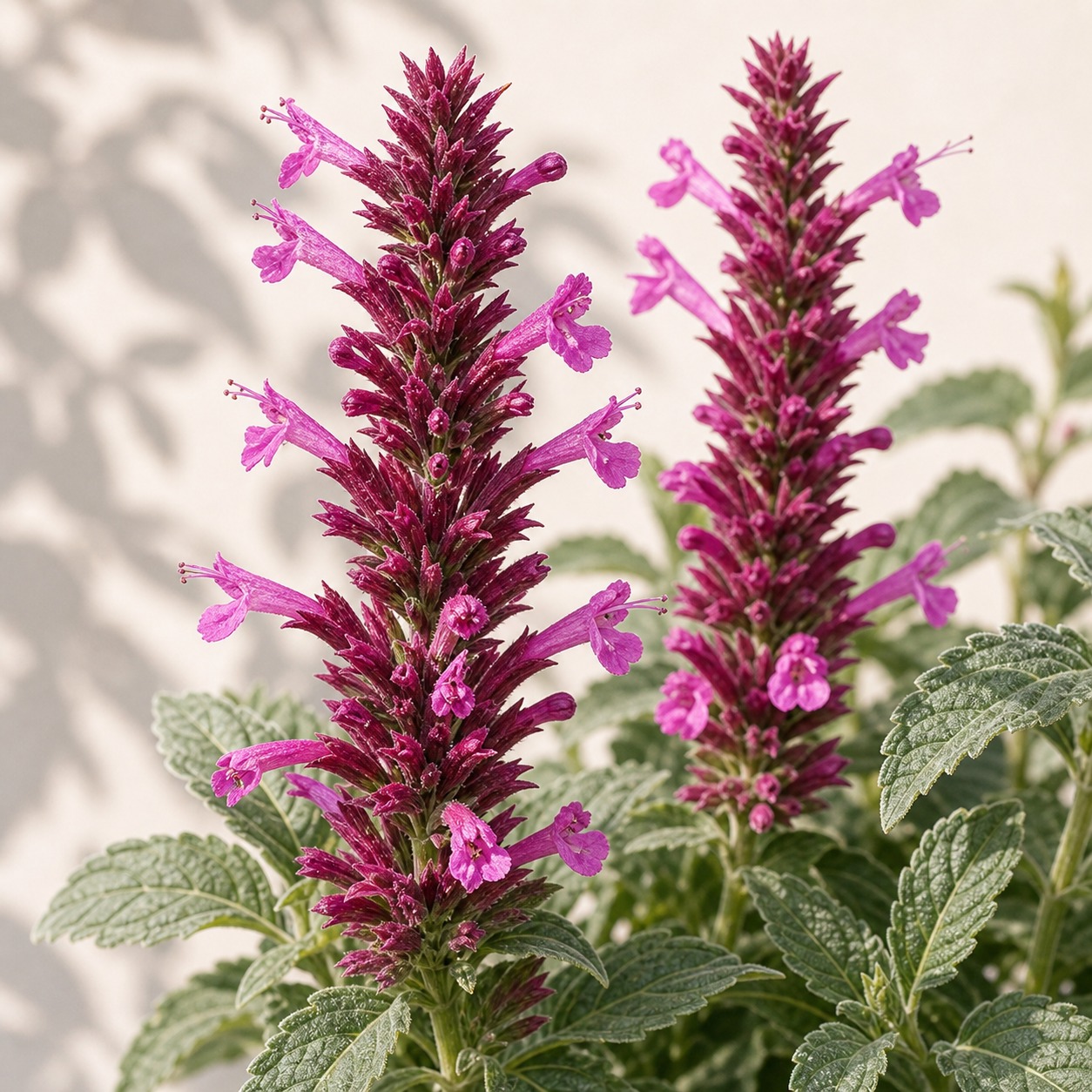
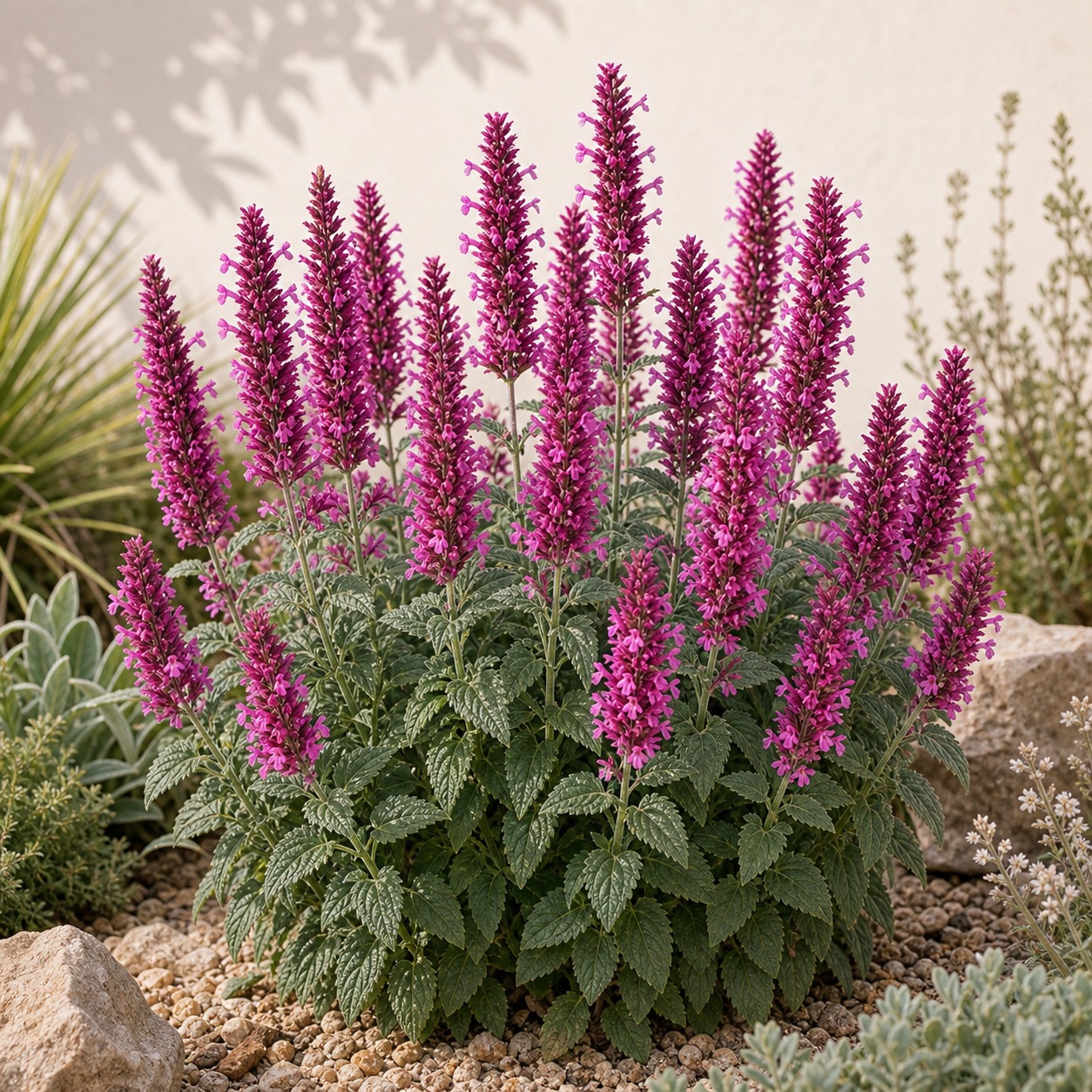
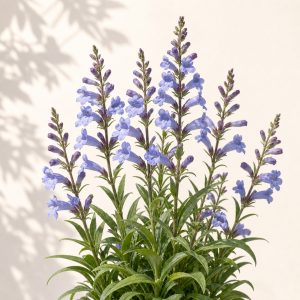
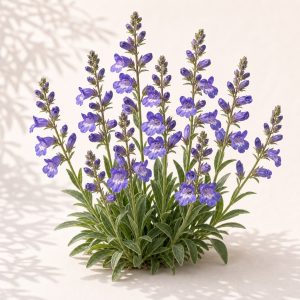
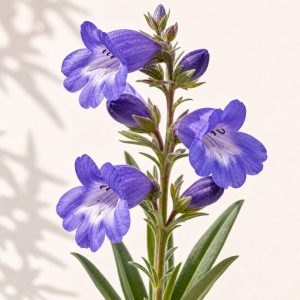
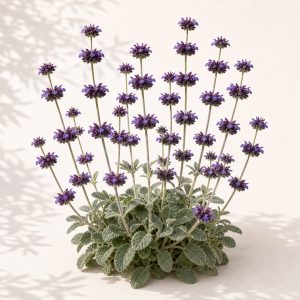
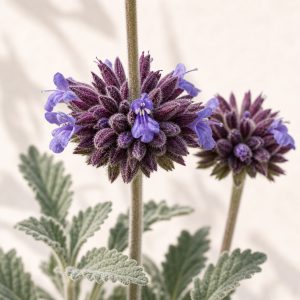
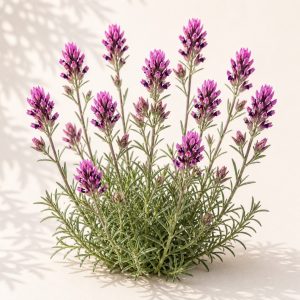
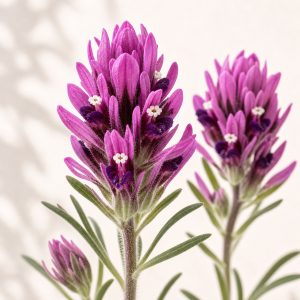
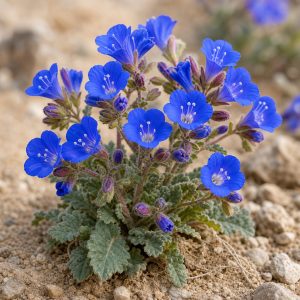
Cana Zuni Agastache Seeds grow compact Agastache cana plants with vibrant magenta-pink flower spikes and aromatic gray-green foliage. Also known as hummingbird mint, this heat-tolerant perennial brings mint-anise fragrance, midsummer-to-fall bloom, and strong pollinator value to dry borders, rock gardens, and low-maintenance plantings.
Why Grow It
- Vibrant magenta-pink to violet-pink tubular flower spikes bloom from midsummer into fall.
- Compact plants reach about 18-24 in. with aromatic gray-green foliage and mint-anise fragrance.
- Heat and drought tolerant once established; useful for dry borders, rock gardens, and pollinator plantings.
- Attracts hummingbirds, butterflies, and native bees while offering deer and rabbit resistance.
- Watermark-free product imagery is generated for the Nuptial Co. catalog, created without reused third-party photography.
Growing Information
| Botanical name | Agastache cana ‘Zuni’ |
|---|---|
| Life cycle | Perennial in zones 5-9; may overwinter in zone 4 with protection |
| Mature height | 18-24 in. compact plants |
| Light | Full sun |
| Bloom or harvest window | Midsummer to fall |
| Seed count | 25 seeds |
| Sowing advice | Sow indoors 6-8 weeks before the last frost. Press seeds lightly onto the surface because they need light to germinate, then transplant outdoors after frost danger passes. |
| Spacing | Space plants about 12-18 in. apart |
| Germination | Usually 10-20 days at about 65-75 F with light and even moisture |
Best For
- hummingbird gardens
- pollinator borders
- dry gardens
- rock gardens
- aromatic herb beds
Packet Details
Includes 25 seeds. Store seeds cool, dry, and dark until sowing. Choose a sunny, well-drained site and reduce watering once plants are established.
FAQ
Does Cana Zuni Agastache need full sun?
Yes. Full sun and well-drained soil give the best compact growth, flowering, and drought tolerance.
Do the seeds need light to germinate?
Yes. Press the seeds onto the surface or cover only very lightly because Agastache seeds need light for best germination.
What pollinators does it attract?
The tubular magenta-pink flowers are especially attractive to hummingbirds, butterflies, and native bees.
Reviews
There are no reviews yet.