Description
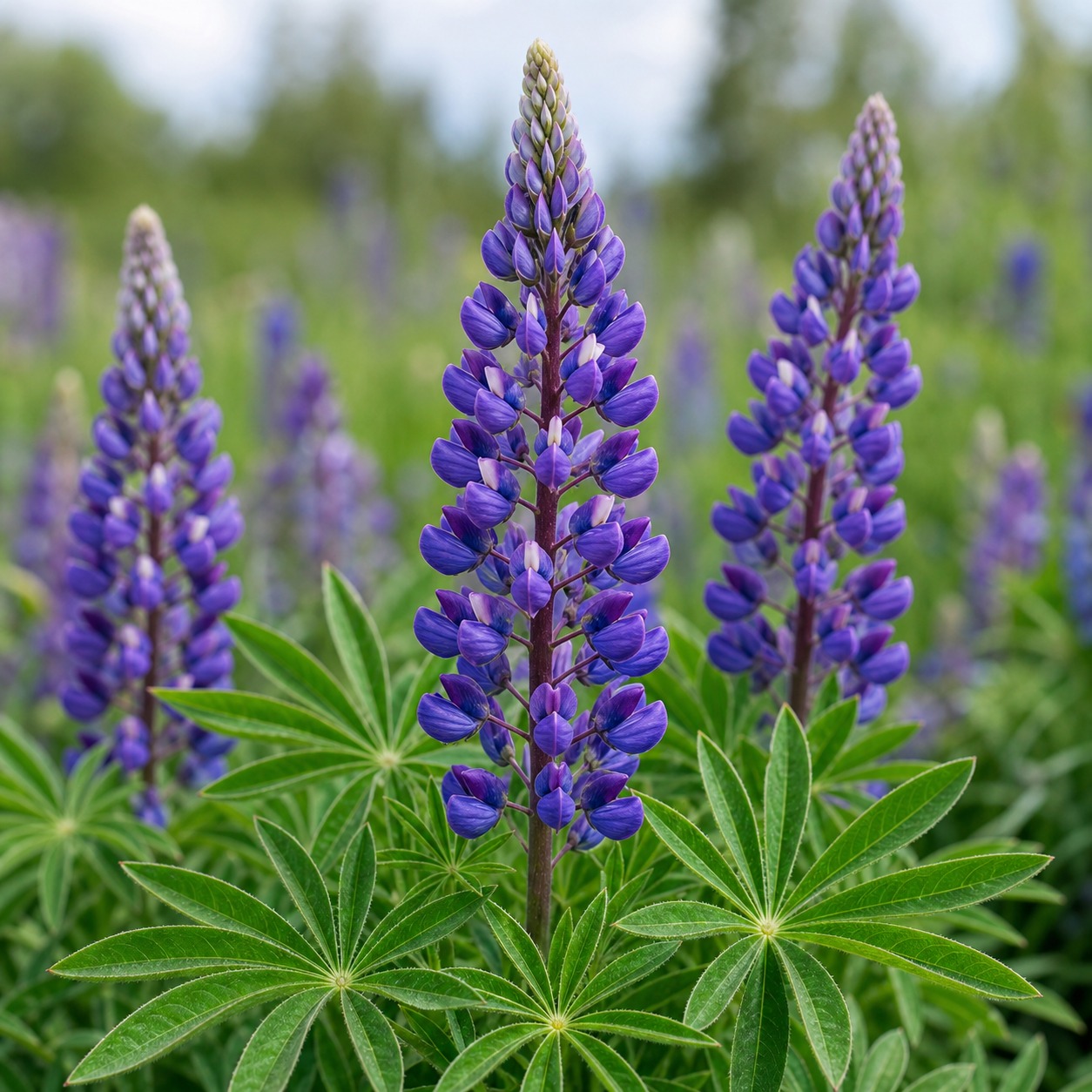
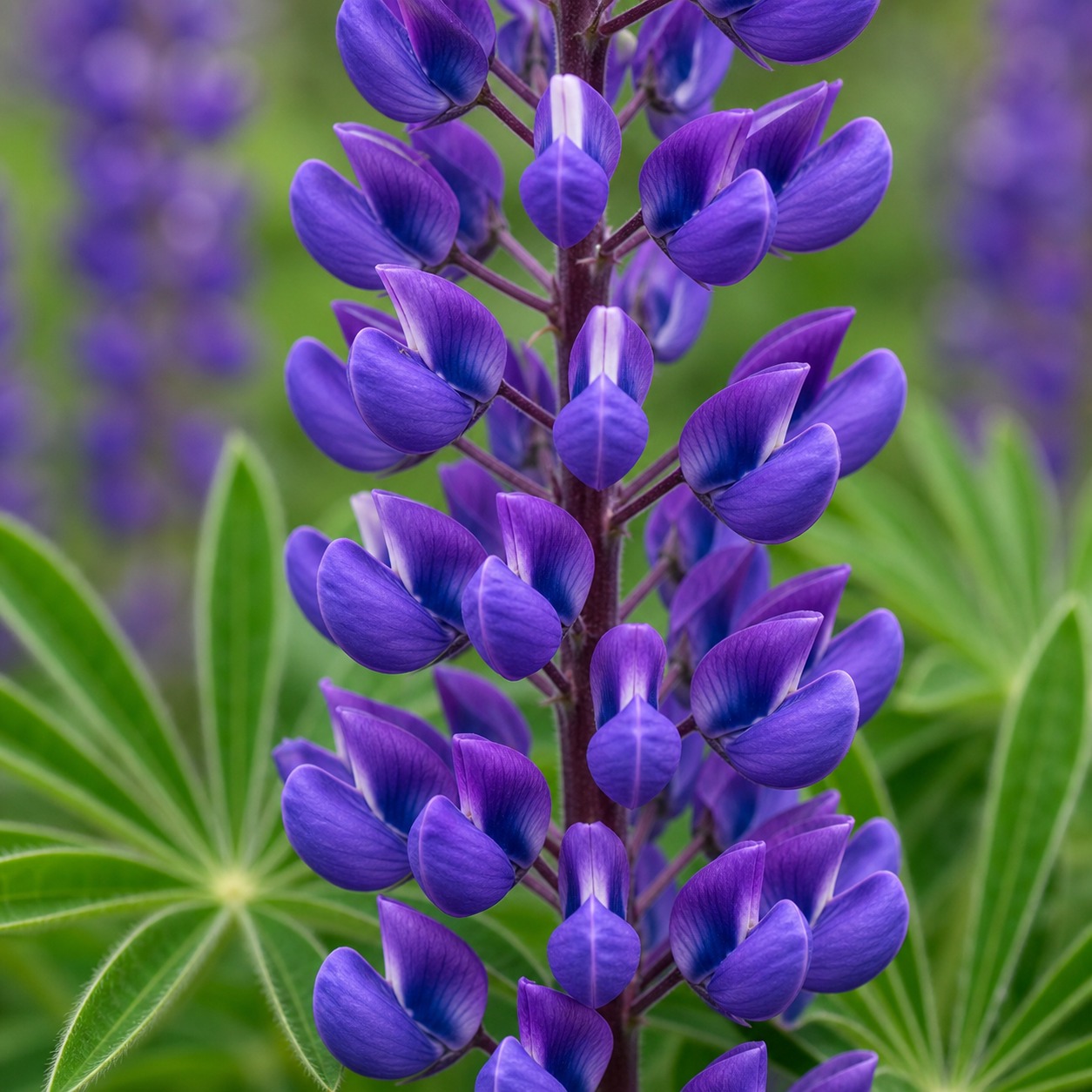
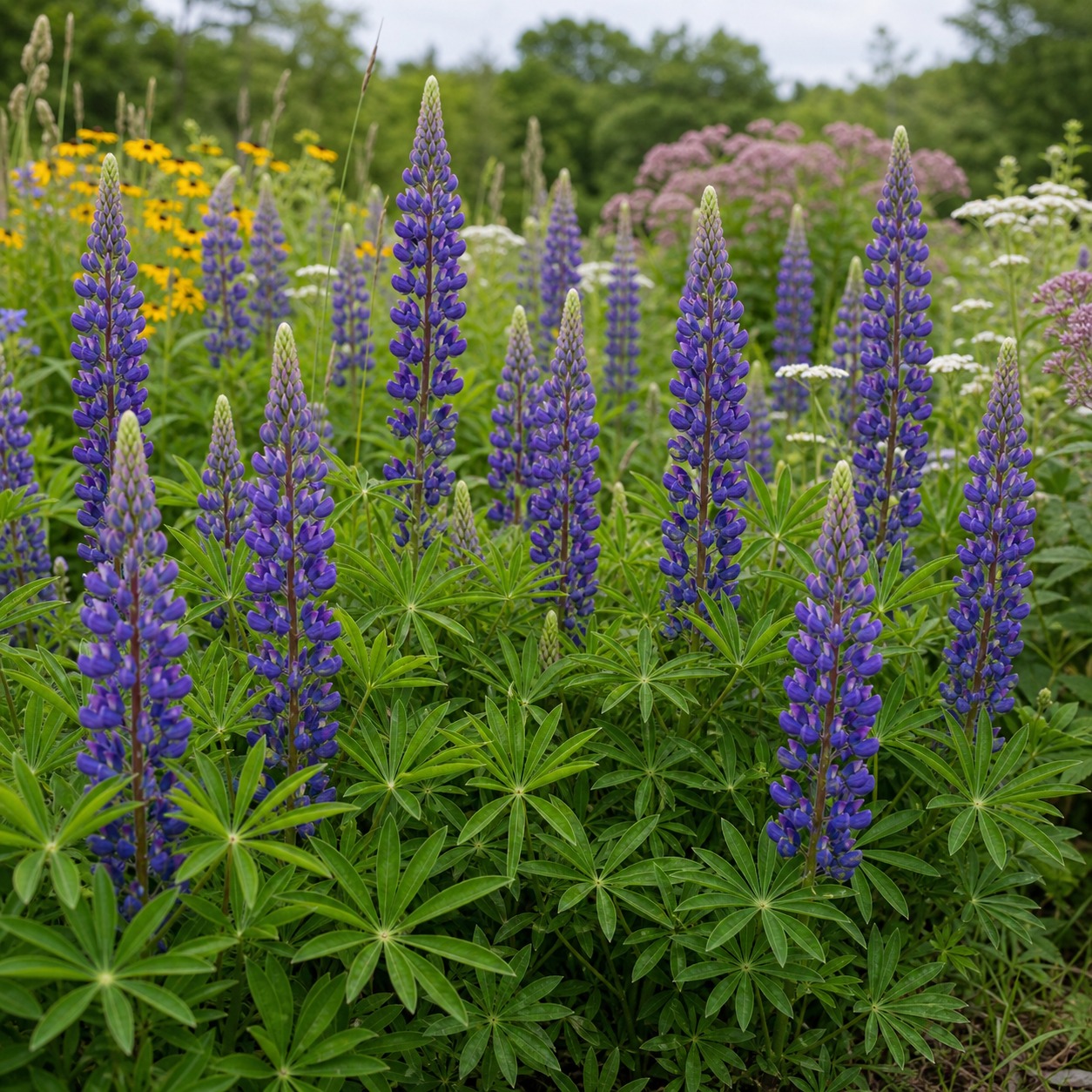
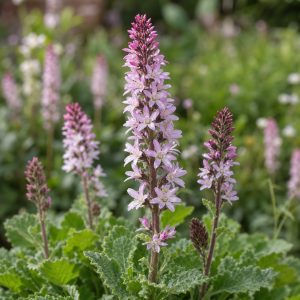
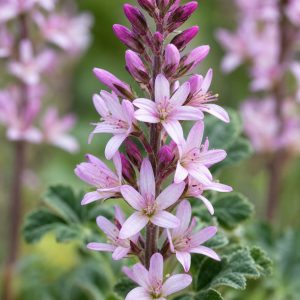
Wild Native Perennial Lupine Seeds grow Lupinus perennis, a North American native wildflower known for purple-blue flower spikes and fresh palmate foliage. It is best used in sunny, well-drained native gardens, meadow edges, and pollinator plantings where low-fertility soil and seasonal establishment are part of the design.
Why Grow It
- Native perennial lupine with upright purple-blue flower spikes.
- Palmate foliage gives the plant a clean, recognizable meadow texture.
- Useful for pollinator gardens, prairie-style borders, and naturalized perennial plantings.
Growing Information
| Botanical name | Lupinus perennis |
|---|---|
| Life cycle | Herbaceous perennial wildflower |
| Mature height | 12-24 in. tall in bloom |
| Light | Full sun to light partial shade |
| Bloom or harvest window | Late spring to early summer after establishment |
| Seed count | 50 seeds |
| Sowing advice | Scarify or nick the seed coat, then soak seed overnight before sowing. For best results, provide a cool, moist stratification period and sow in a well-drained, low-fertility seed mix or prepared native bed. |
| Spacing | 12-18 in. apart in meadow or pollinator plantings |
| Germination | Often 14-35 days after pretreatment; untreated hard seed may germinate irregularly |
Best For
- native wildflower gardens
- pollinator meadows
- prairie-style borders
- low-fertility sandy beds
- naturalized perennial plantings
FAQ
Does lupine seed need pretreatment?
Yes. Scarifying or nicking the hard seed coat, soaking overnight, and using cool moist stratification can improve germination consistency.
What soil does wild lupine prefer?
Choose well-drained, lower-fertility soil. Rich, wet, or heavy soil can make establishment harder.
Will it bloom the first year?
Seed-grown perennial lupine often focuses on roots and foliage first. Stronger bloom usually follows after establishment.
Reviews
There are no reviews yet.