Description
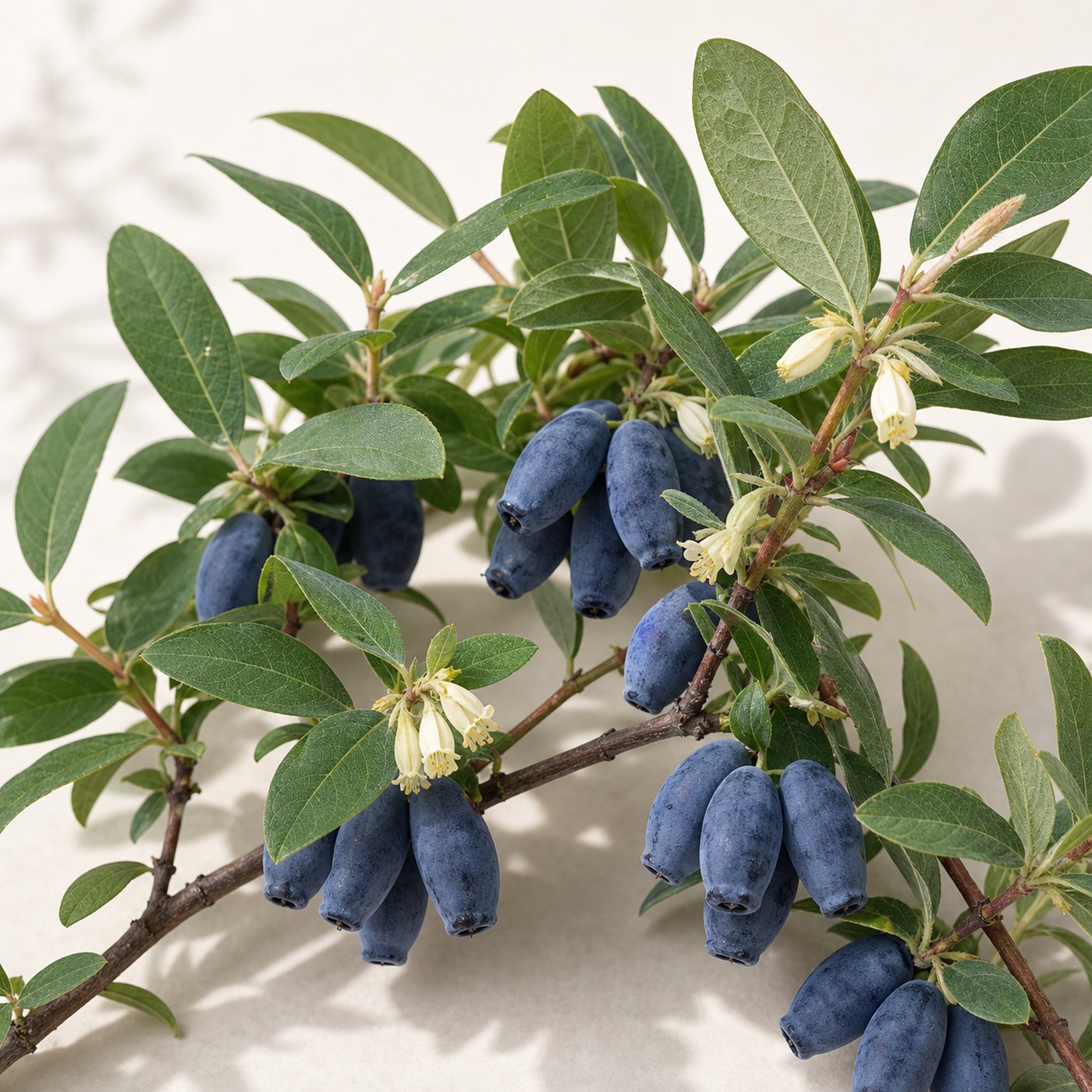
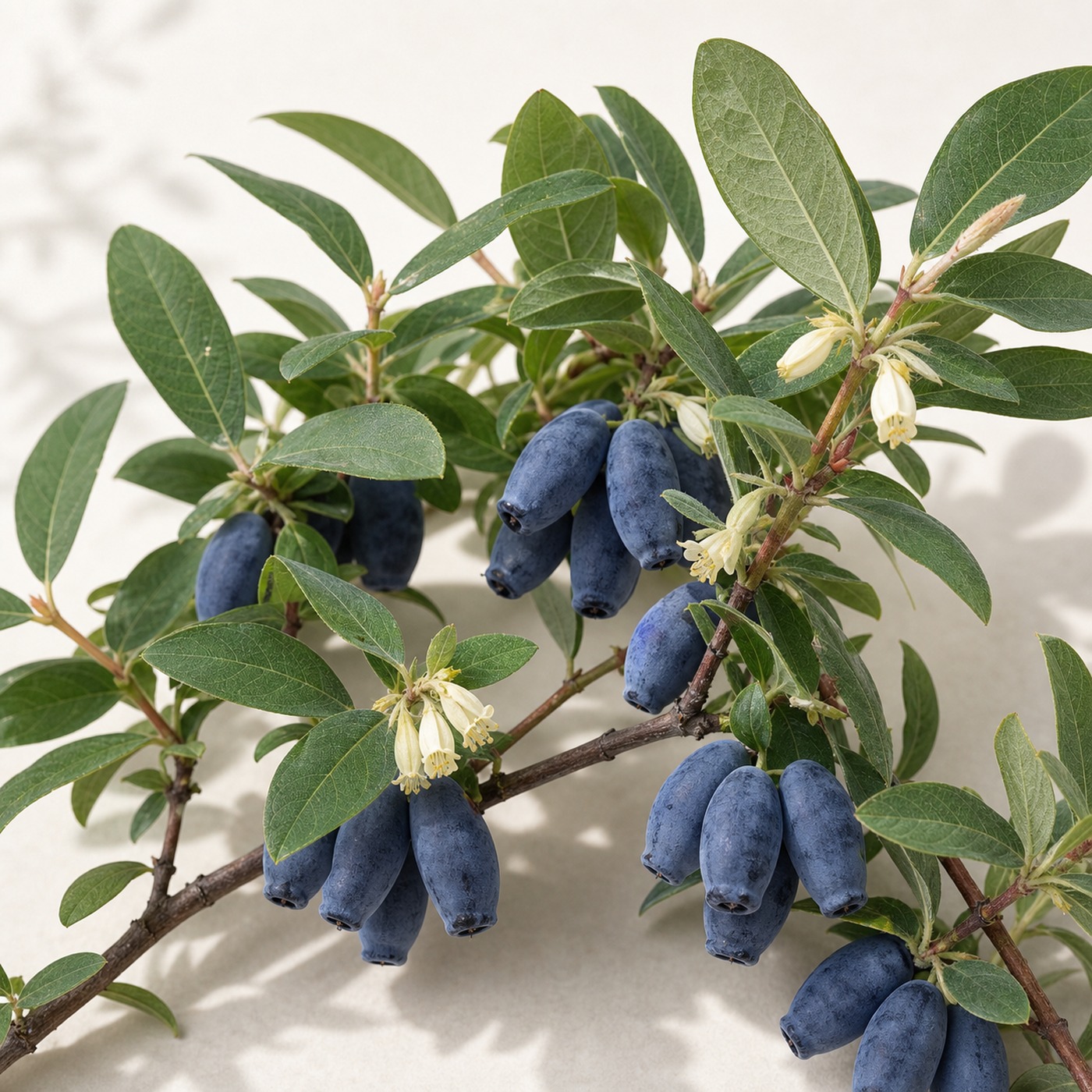
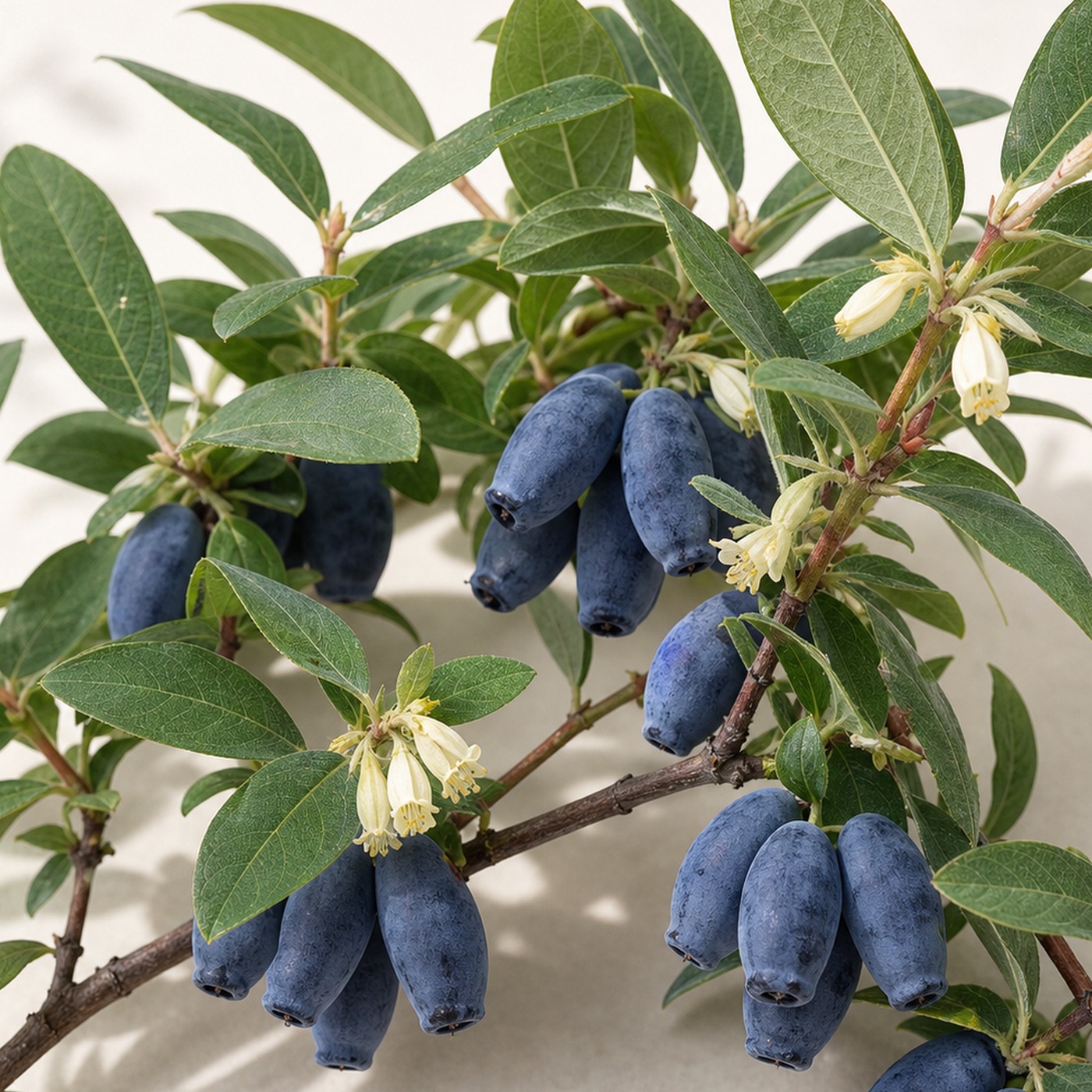
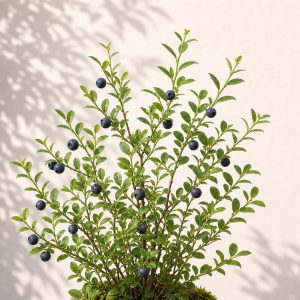
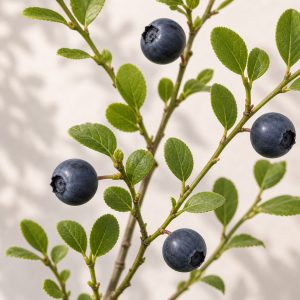
Honeyberry, often called haskap or blue honeysuckle, is a compelling choice for gardeners who want fruit earlier than most berries. Seed-grown plants require patience and stratification, but they offer an affordable path into a hardy edible shrub with delicate spring bloom and blue, tangy fruit.
Why Grow It
- Excellent for gardeners in colder zones where many berries struggle.
- Early bloom and early fruit timing extend the edible garden season.
- Useful in edible hedges, wildlife gardens, and permaculture layouts.
Growing Information
| Botanical name | Lonicera caerulea |
|---|---|
| Life cycle | Cold-hardy perennial fruiting shrub |
| Mature height | 3-6 ft. depending on variety and conditions |
| Light | Full sun to partial shade |
| Bloom or harvest window | Early spring flowers; late spring to early summer fruit |
| Seed count | 25 seeds |
| Sowing advice | Cold stratify seed in a moist medium for 60-90 days, then sow shallowly and keep evenly moist. |
| Spacing | 3-5 ft. apart for shrubs |
| Germination | Slow and uneven; often 3-8 weeks after stratification |
Best For
- cold-climate berry gardens
- edible hedges
- food forest understory
- wildlife-friendly plantings
Packet Details
Includes 25 seeds. Store seeds cool, dry, and dark until sowing. Use the growing table above as a planning reference for your local season.
FAQ
Do honeyberry seeds need cold stratification?
Yes. A cold, moist period of about 60-90 days greatly improves germination consistency.
Will seed-grown honeyberries be identical to the parent?
Seed-grown fruiting shrubs can vary. Grow several plants and keep the strongest performers for your garden.
Reviews
There are no reviews yet.