Description
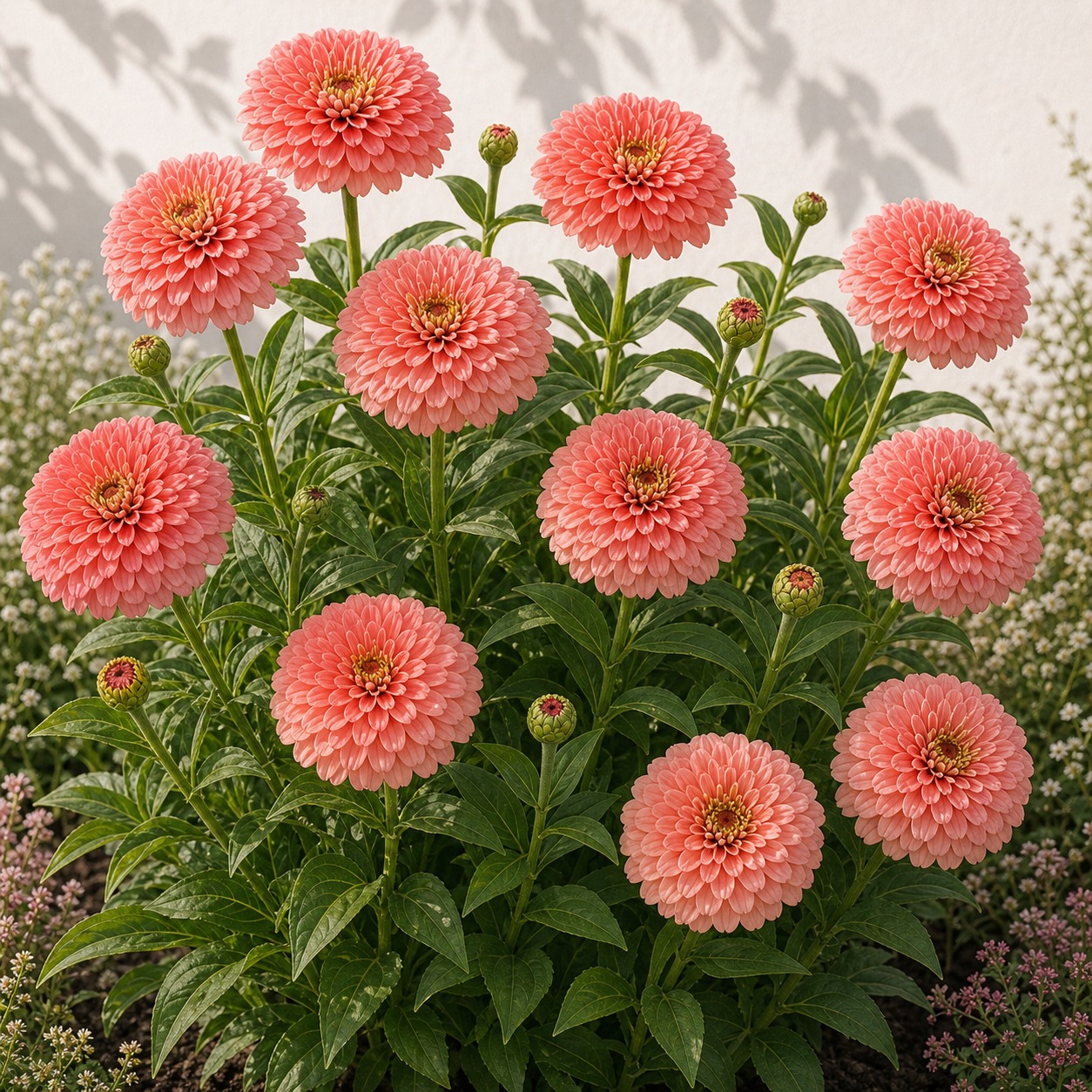
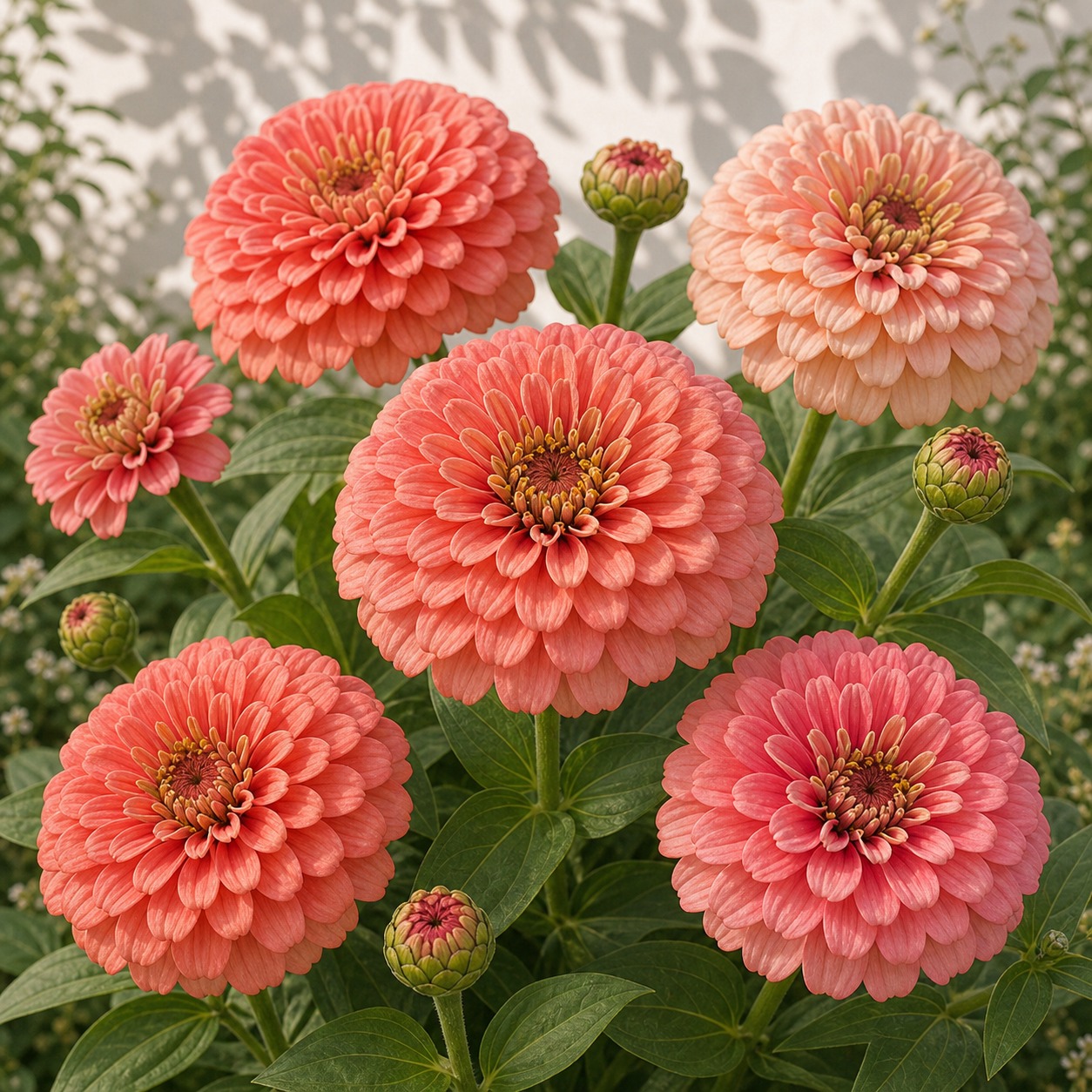
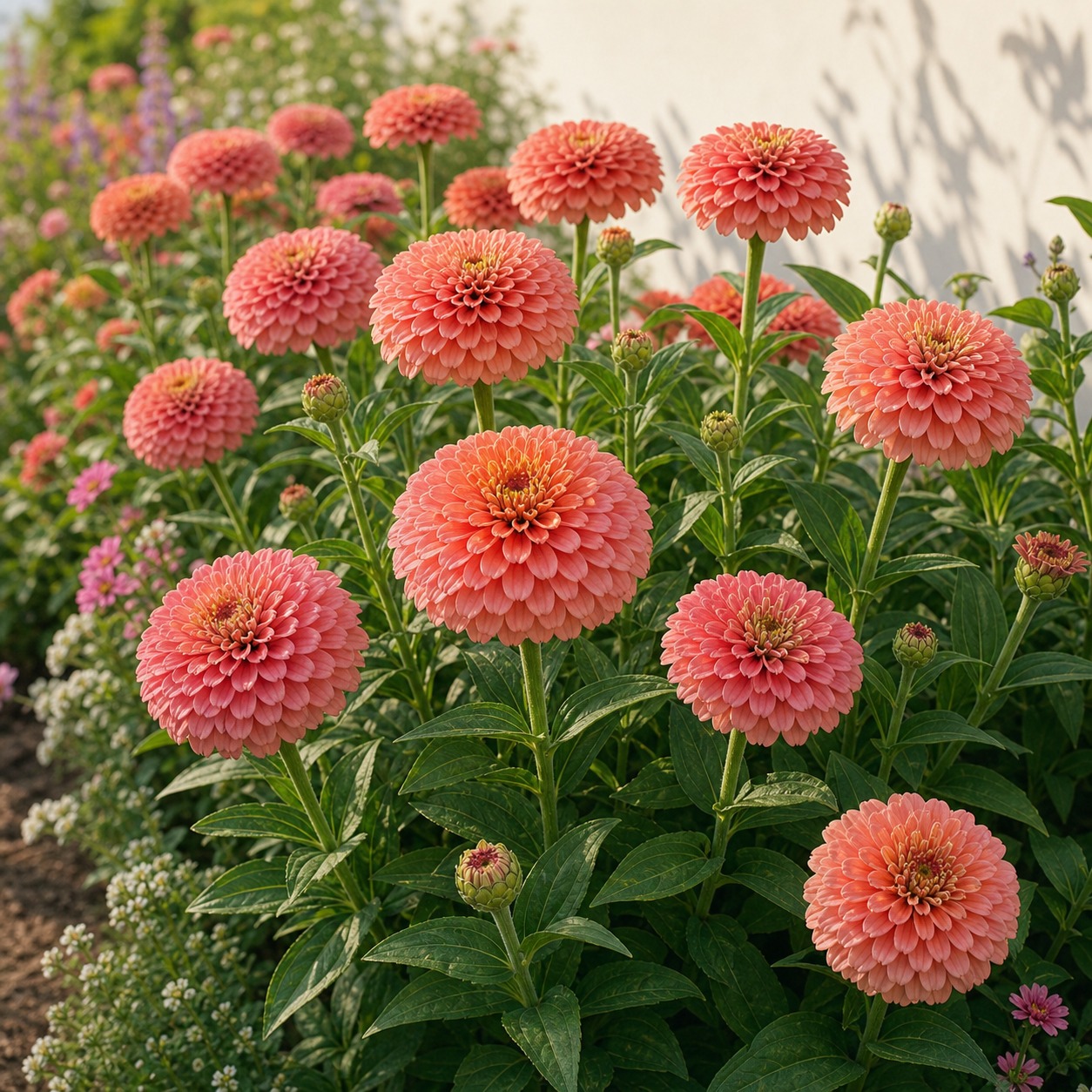
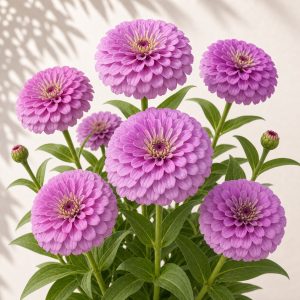
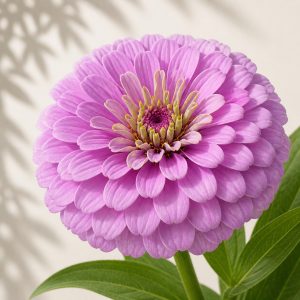
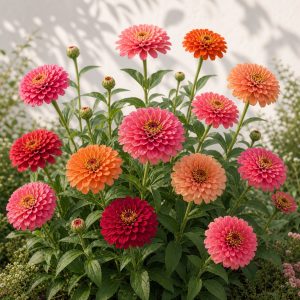
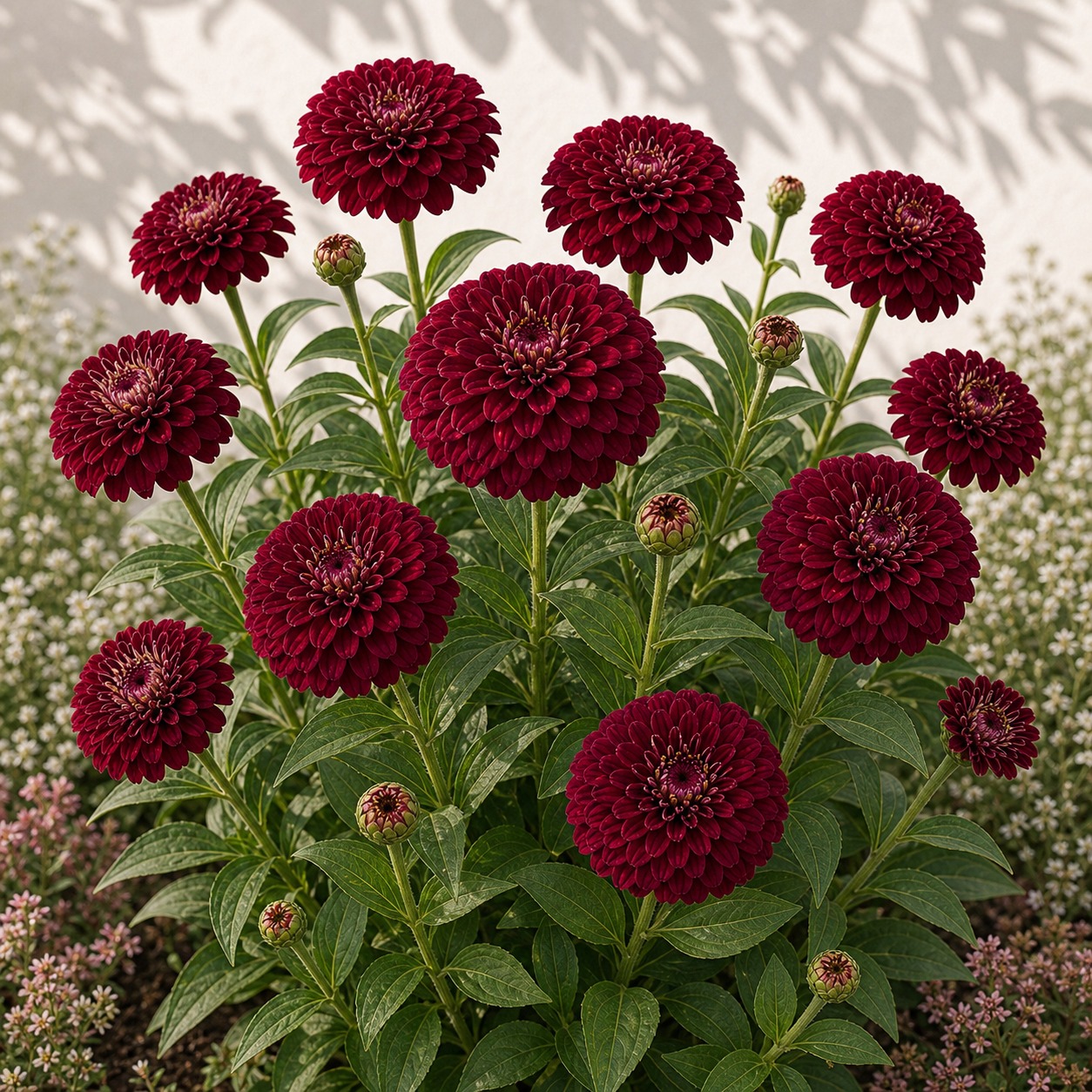
Benary's Giant Salmon Rose Zinnia is a standout Zinnia elegans for growers who want huge, rounded double blooms in the popular salmon rose shade. Plants reach about 4 ft. tall and carry loads of 4-5 in. flowers for cutting, borders, and long summer color.
Why Grow It
- Benary's Giant is known for some of the largest zinnia blooms, often 4-5 in. across.
- Salmon Rose is a popular warm coral-pink shade for bouquets and borders.
- Tall plants reach about 4 ft. and produce sturdy cut-flower stems.
- Removing spent flowers or cutting fresh stems encourages more bloom.
- Double-flowering zinnias can occasionally produce single blooms, especially after transplant shock or root-bound stress.
Growing Information
| Botanical name | Zinnia elegans |
|---|---|
| Life cycle | Warm-season annual flower |
| Mature height | About 4 ft. |
| Light | Full sun |
| Bloom or harvest window | Summer through frost with cutting or deadheading |
| Seed count | 25 seeds |
| Sowing advice | Direct sow in spring after soil warms, or start indoors 6-8 weeks before the last expected frost in cooler climates. Transplant carefully before plants become root bound to reduce stress. |
| Spacing | Space plants about 12-18 in. apart for airflow, branching, and large cut-flower stems. |
| Germination | Sow in warm conditions around 70-95 F; seeds can sprout in less than one week when conditions are right. |
Best Uses
- cut flower rows
- large summer bouquets
- salmon rose borders
- pollinator-friendly beds
- cottage garden color
- annual zinnia collections
FAQ
How large are the flowers?
the listing notes Benary's Giant blooms as reliably 4-5 in. across with a rounded, double, dahlia-like appearance.
How tall do plants grow?
Plants grow about 4 ft. tall, so they are best placed where tall cut-flower stems have room.
Will every plant be double?
Most are selected for double blooms, but a handful of single-blooming plants can occur in double-flowering zinnias, especially after stress.
When should I sow them?
Sow in warm spring conditions or start indoors 6-8 weeks before the last expected frost in cooler climates.
Reviews
There are no reviews yet.