
Description
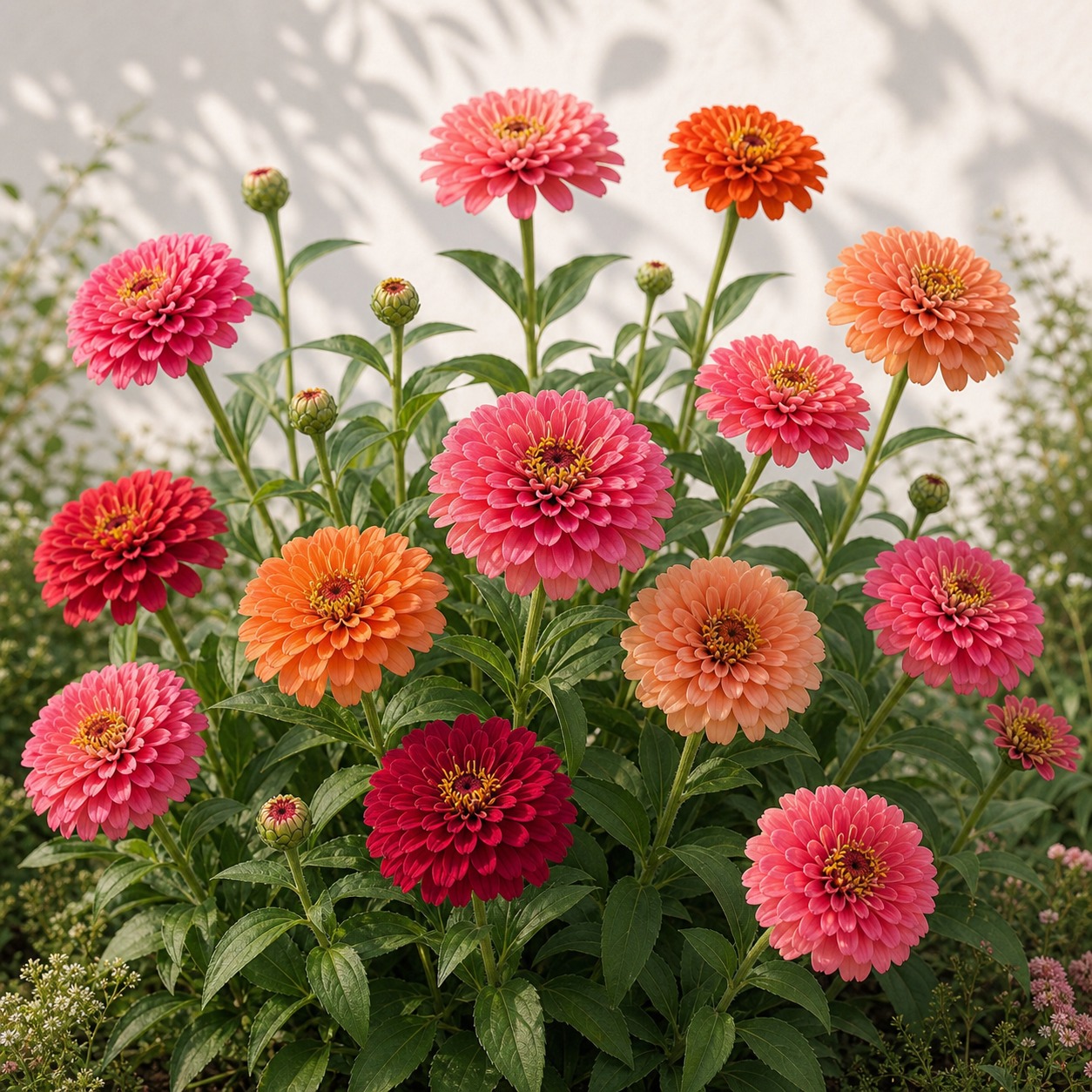
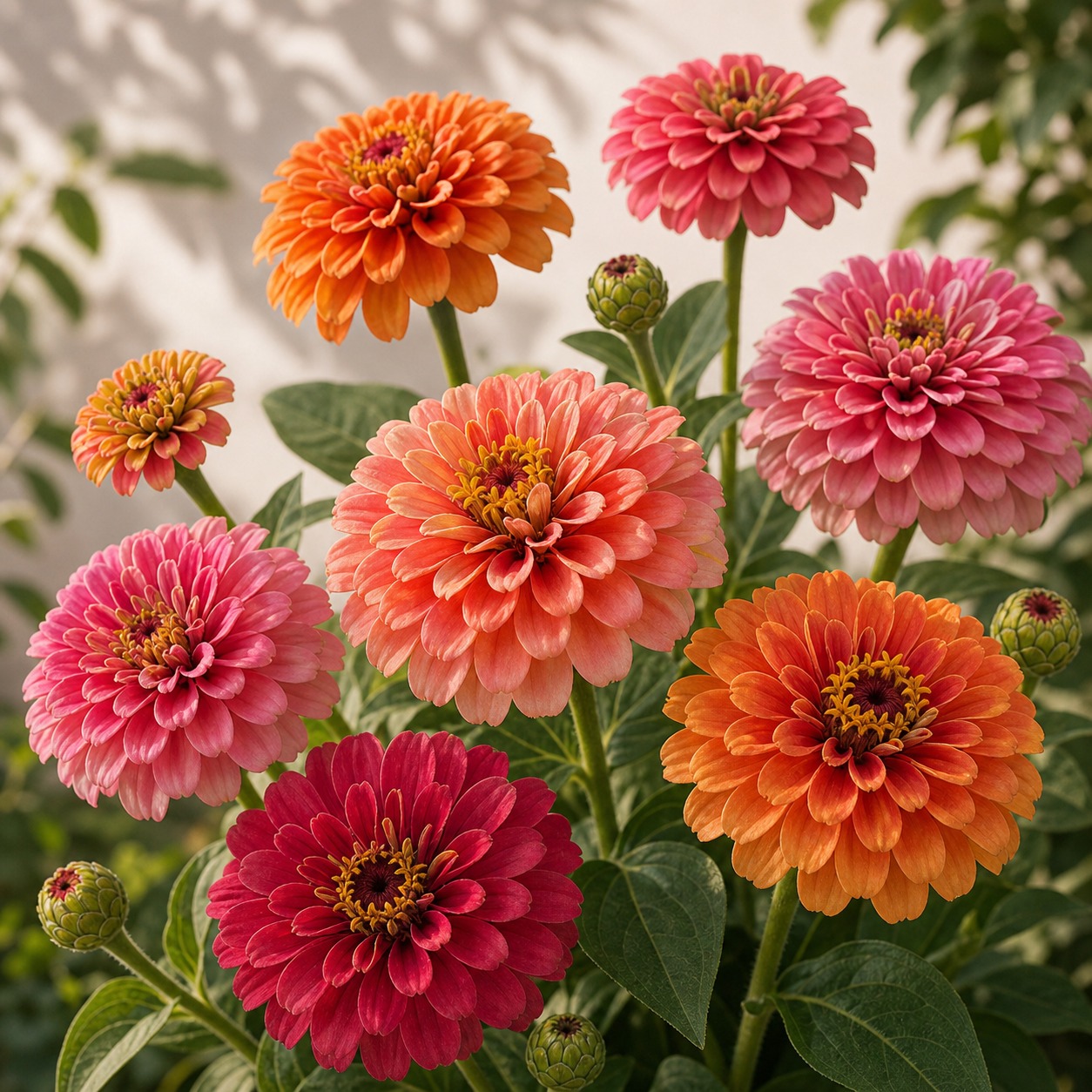
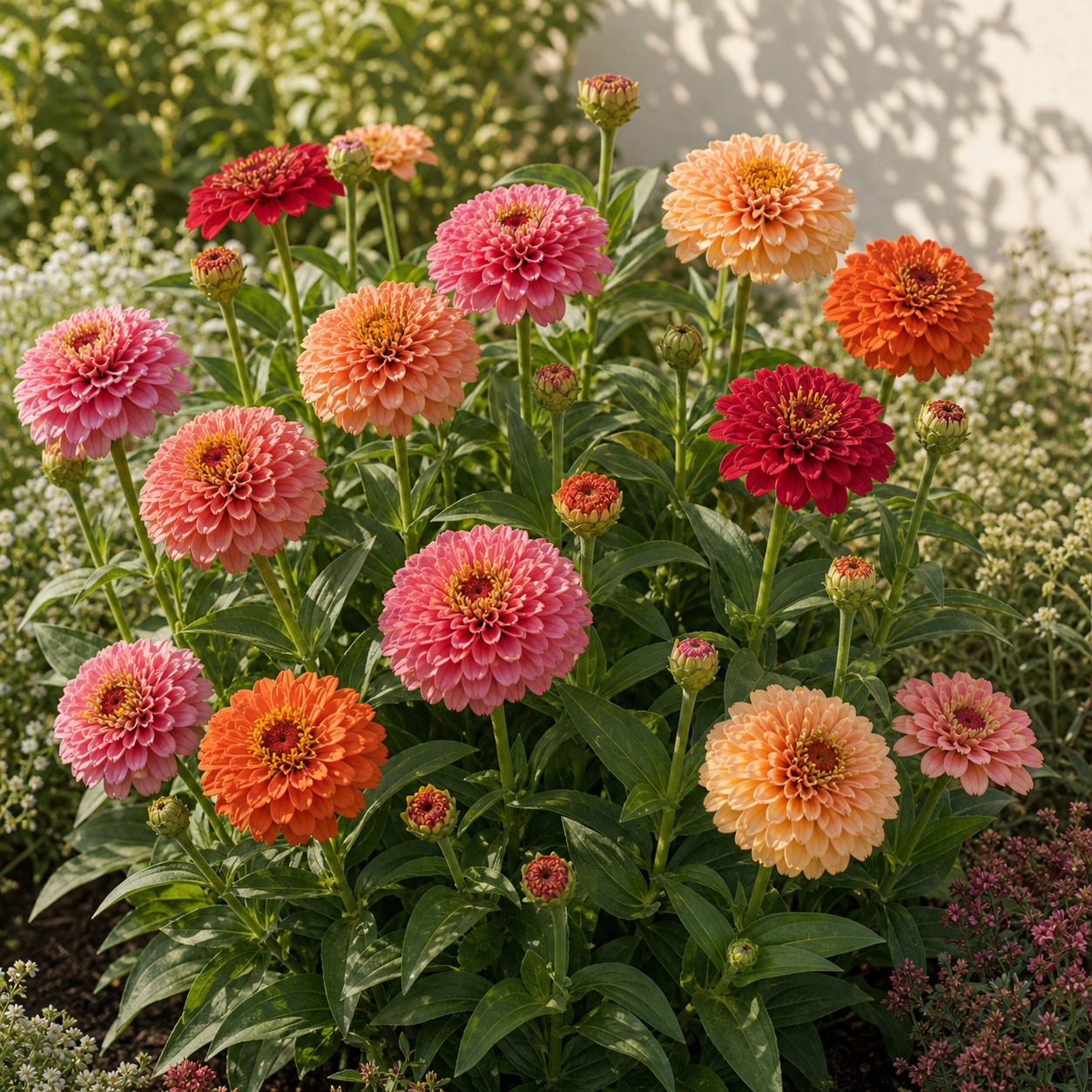
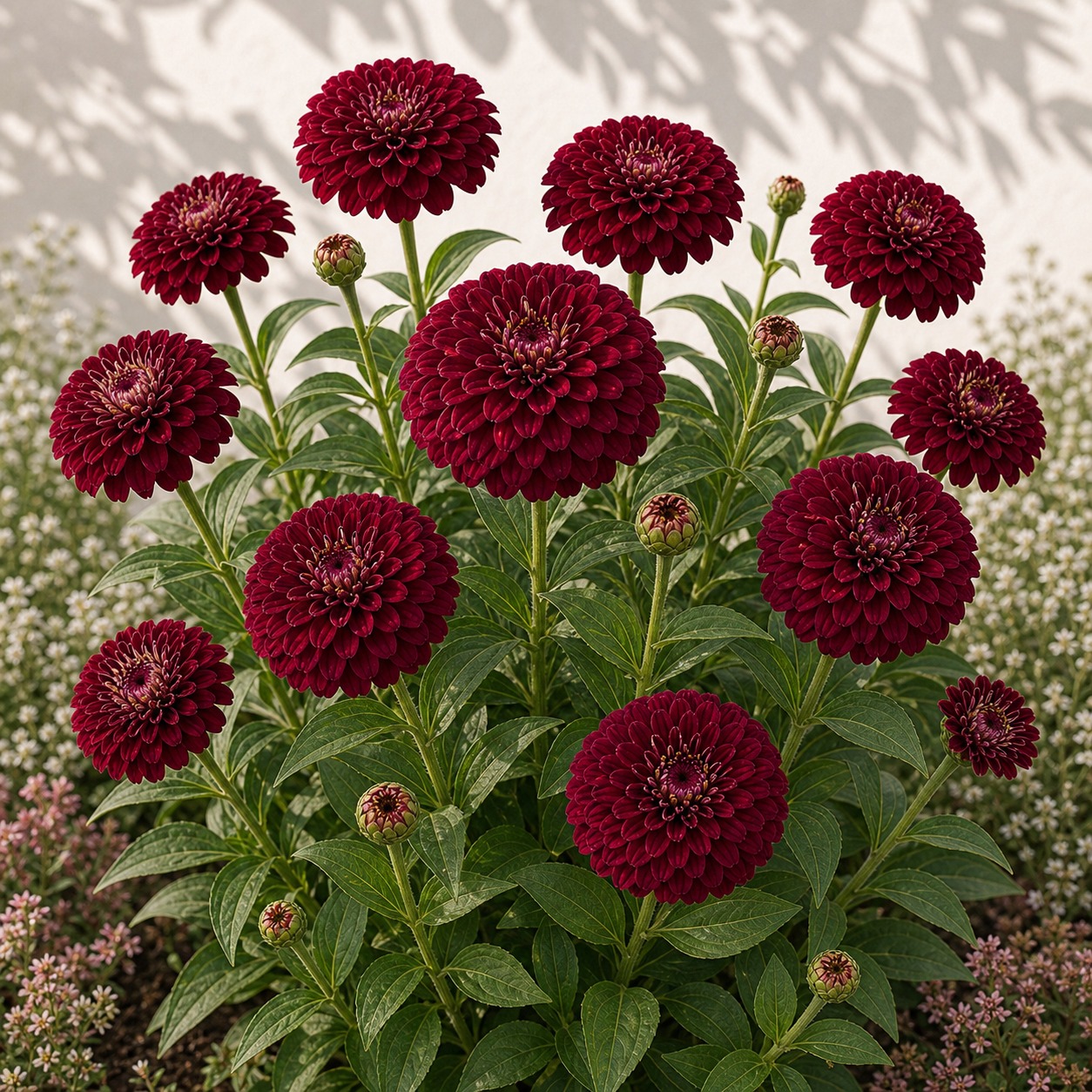
Aurora Zinnia is a cross-bred, non-GMO Zinnia elegans selected for glowing bicolor blooms in warm peach, apricot, orange, pink, and occasional wine shades. The full double flowers bring saturated summer color to cut-flower rows, cottage borders, and fresh vases.
Why Grow It
- Cross-bred non-GMO Aurora zinnia with warm bicolor double blooms.
- Color range includes peach, apricot, orange, pink, and occasional wine tones.
- Tall 30-40 in. plants are well suited to cutting and summer borders.
- Deadheading or cutting fresh flowers encourages continued bloom.
- Double-flowering zinnias can occasionally produce single blooms, especially after transplant stress or root binding.
Growing Information
| Botanical name | Zinnia elegans |
|---|---|
| Life cycle | Warm-season annual flower |
| Mature height | 30-40 in. |
| Light | Full sun |
| Bloom or harvest window | Summer through frost with cutting or deadheading |
| Seed count | 25 seeds |
| Sowing advice | Direct sow in spring after soil warms, or start indoors 6-8 weeks before the last expected frost in cooler climates. Transplant carefully before plants become root bound to reduce stress. |
| Spacing | Space plants about 12-18 in. apart for airflow, branching, and cut-flower stems. |
| Germination | Zinnias tolerate warm growing conditions from about 70-95 F; keep soil warm and evenly moist for germination. |
Best Uses
- cut flower rows
- warm bicolor borders
- summer pollinator beds
- cottage garden color
- bouquets and fresh vases
- annual zinnia collections
FAQ
What colors should I expect?
Aurora is a warm bicolor mix, with peach, apricot, orange, pink, and occasional wine-toned flowers.
Will every plant produce double flowers?
Most flowers are selected for a double zinnia look, but double-flowering zinnias can include a few single blooms, especially after stress such as becoming root bound or transplant shock.
How tall do plants grow?
Plants grow about 30-40 in. tall, making them useful for cut-flower stems and sunny borders.
When should I sow Aurora Zinnia?
Direct sow in warm spring soil, or start indoors 6-8 weeks before the last expected frost in cooler climates.










Reviews
There are no reviews yet.