Description
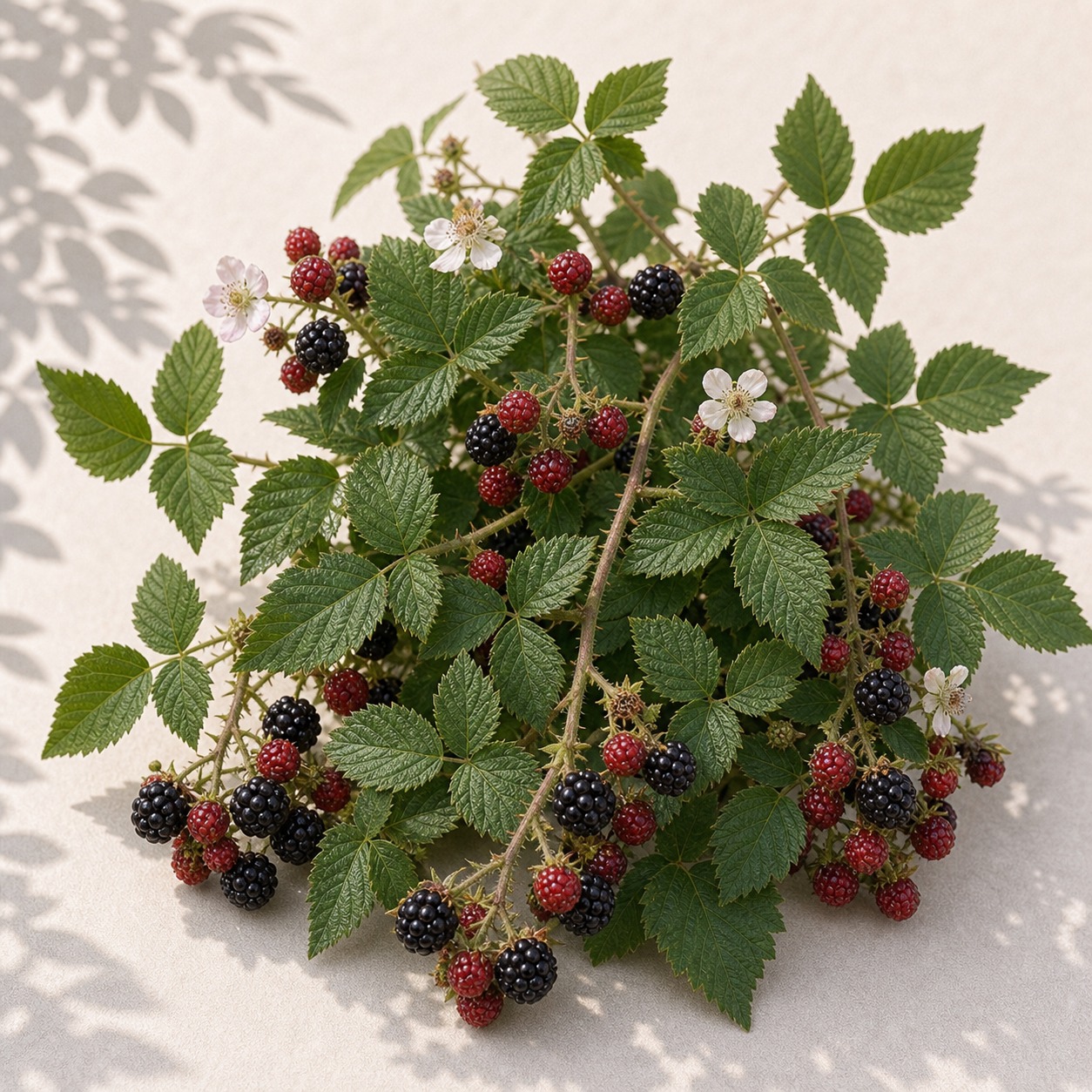
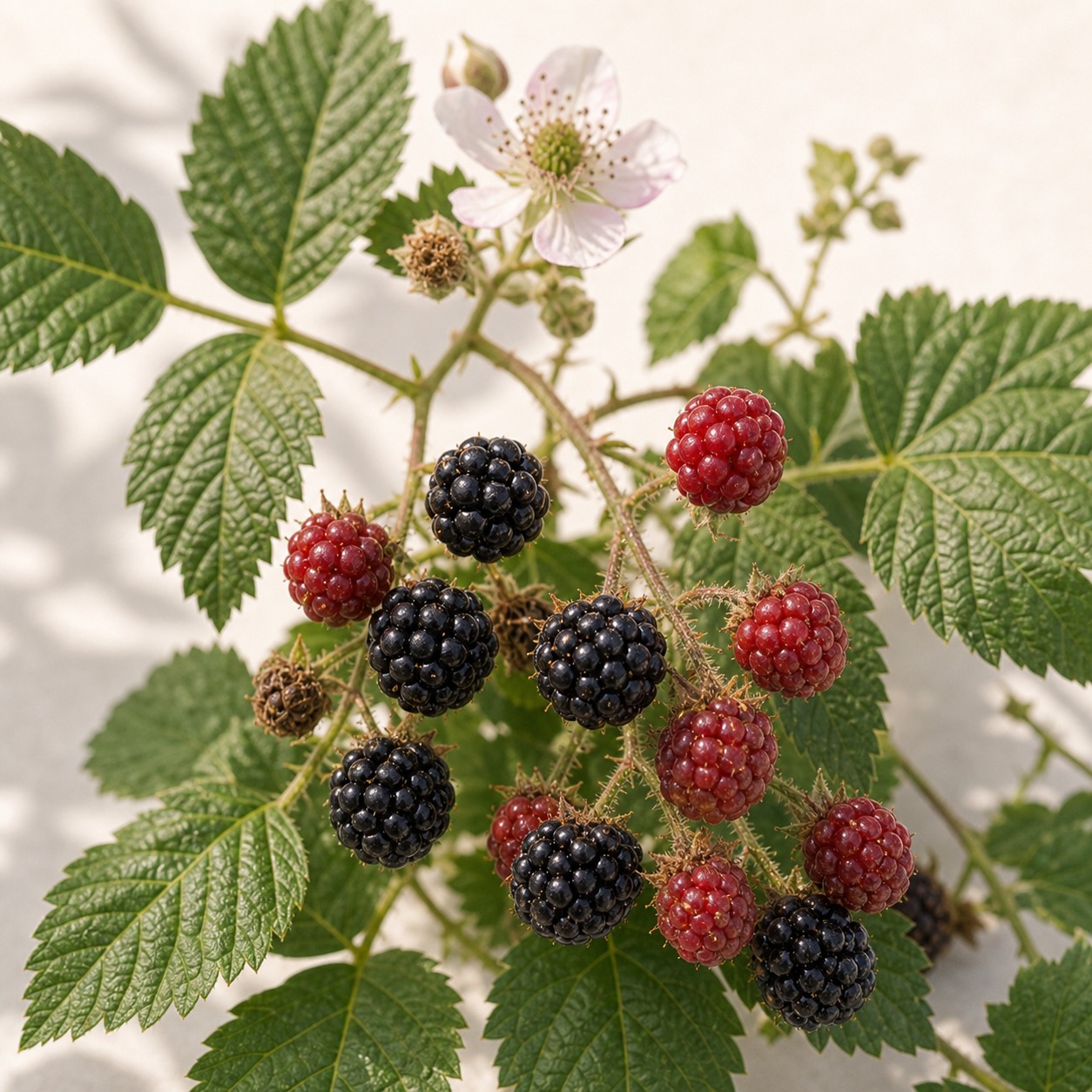
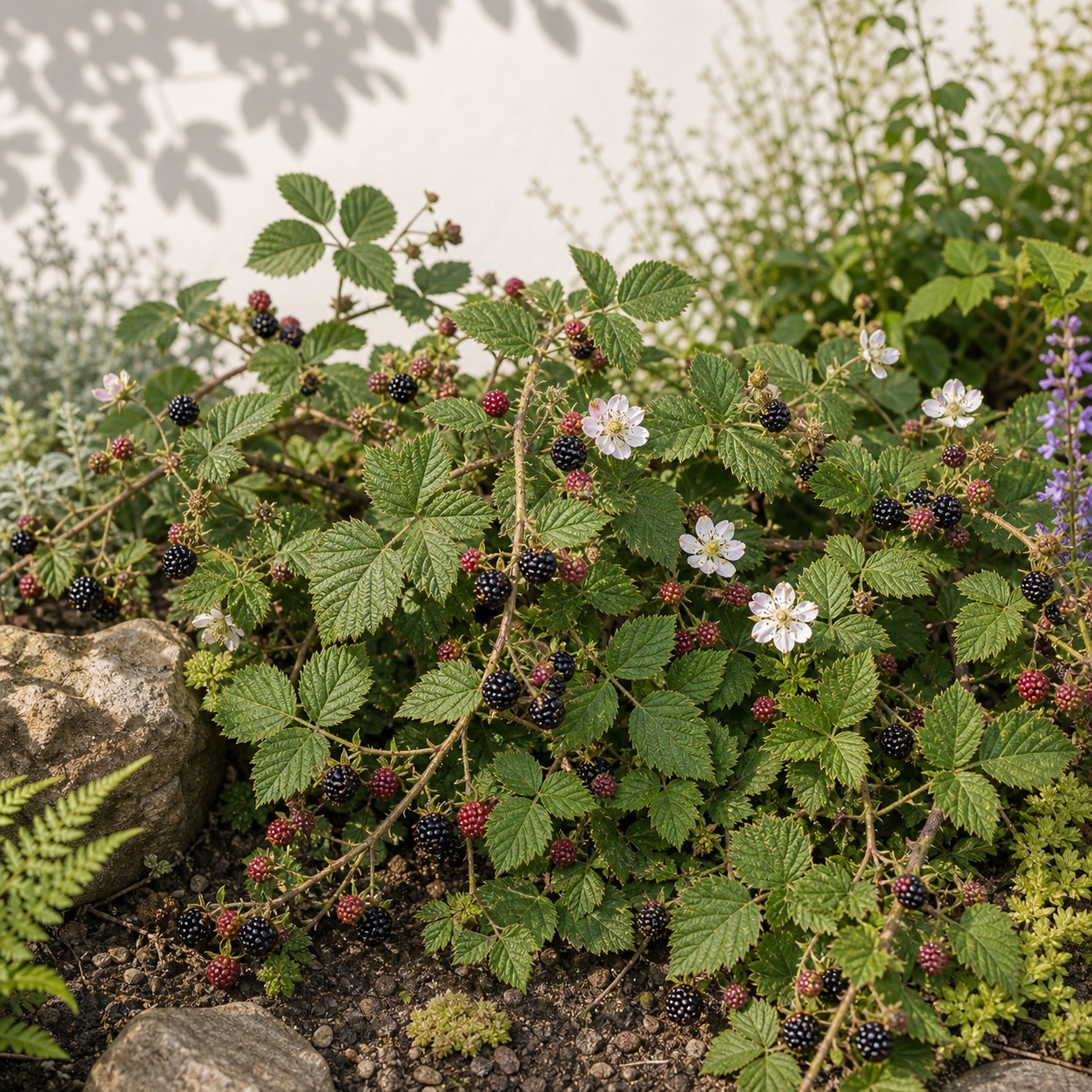
Native California Blackberry Seeds grow Rubus ursinus, also called Pacific trailing blackberry. This West Coast native bramble has a low, sprawling habit, spring flowers, and small intensely flavored summer blackberries, making it useful for native edible landscapes, habitat gardens, and restoration plantings.
Why Grow It
- True West Coast native blackberry, unlike aggressive Himalayan blackberry.
- Trailing, sprawling canes weave through woodland edges, streambanks, and naturalized plantings.
- White to pink-tinged spring flowers support pollinators, followed by small aromatic blackberries in summer.
- Seeds need 60-90 days of cold-moist stratification before slow, irregular germination.
- Watermark-free product imagery is generated for the Nuptial Co. catalog, created without reused third-party photography.
Growing Information
| Botanical name | Rubus ursinus |
|---|---|
| Life cycle | Perennial deciduous bramble in zones 6-9 |
| Mature height | Trailing, sprawling canes typically 3-6 ft. or more |
| Light | Full sun to partial shade |
| Bloom or harvest window | White to pink-tinged spring flowers; summer fruit, often June-August |
| Seed count | 25 seeds |
| Sowing advice | Cold-moist stratify seeds for 60-90 days at about 35-40 F, then sow in spring into pots or a prepared, well-drained bed. Germination can be slow and irregular. |
| Spacing | Allow 3-6 ft. or more of trailing spread, or train canes along a fence for easier harvest |
| Germination | Slow and irregular after 60-90 days of cold-moist stratification |
Best For
- California native gardens
- wildlife habitat plantings
- edible native landscapes
- woodland edges
- restoration projects
Packet Details
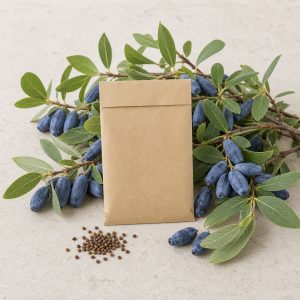
Includes 25 seeds. Store seeds cool, dry, and dark until stratification. Once established, plants may root where trailing nodes touch the ground.
FAQ
Is this Himalayan blackberry?
No. This is Rubus ursinus, the native Pacific trailing blackberry, not the aggressive invasive Himalayan blackberry.
Do the seeds need stratification?
Yes. Cold-moist stratify the seeds for 60-90 days at about 35-40 F before sowing for best results.
How does it grow in the garden?
It grows as a low trailing bramble. Give it room to sprawl or train the canes along a fence for easier harvesting.

Reviews
There are no reviews yet.