Description
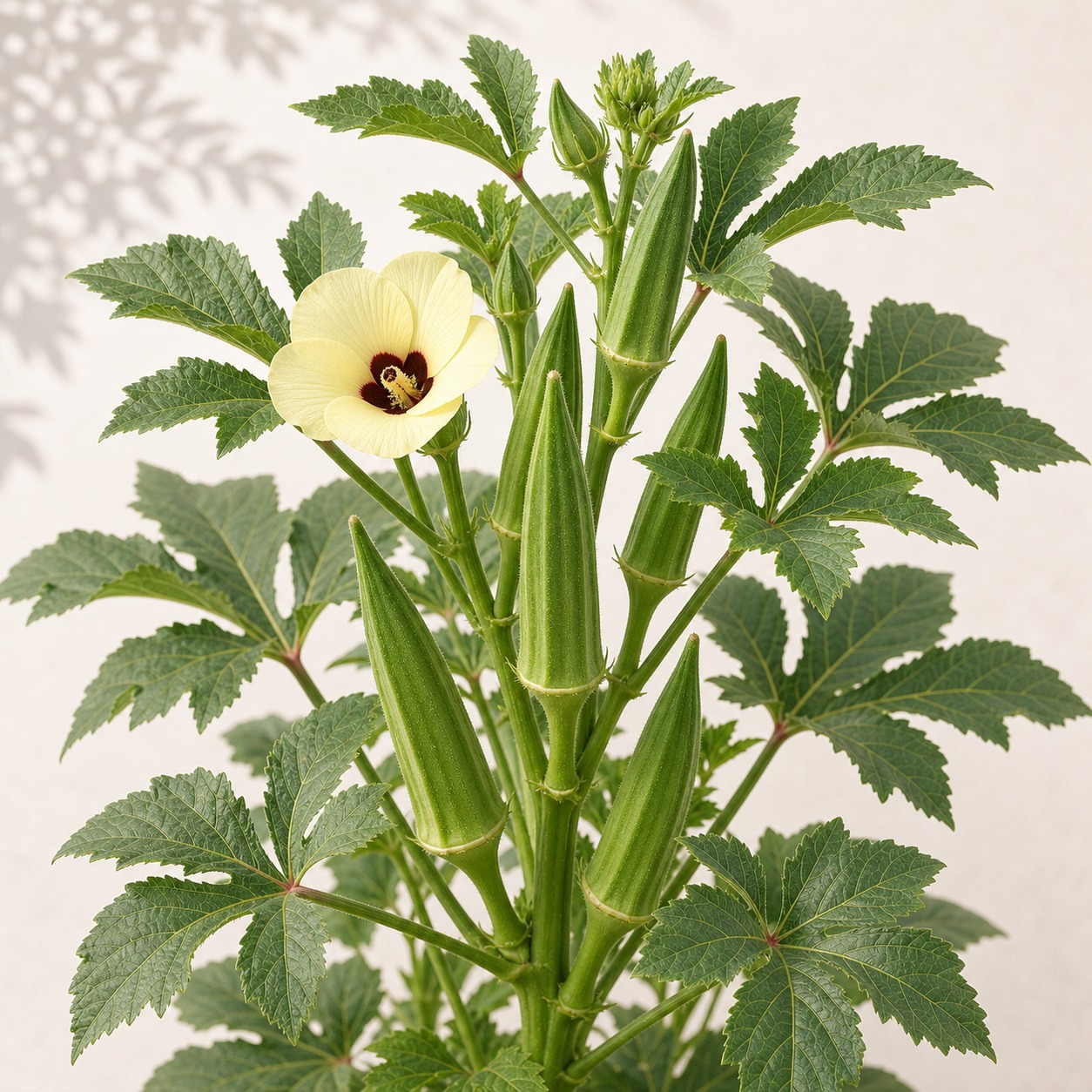
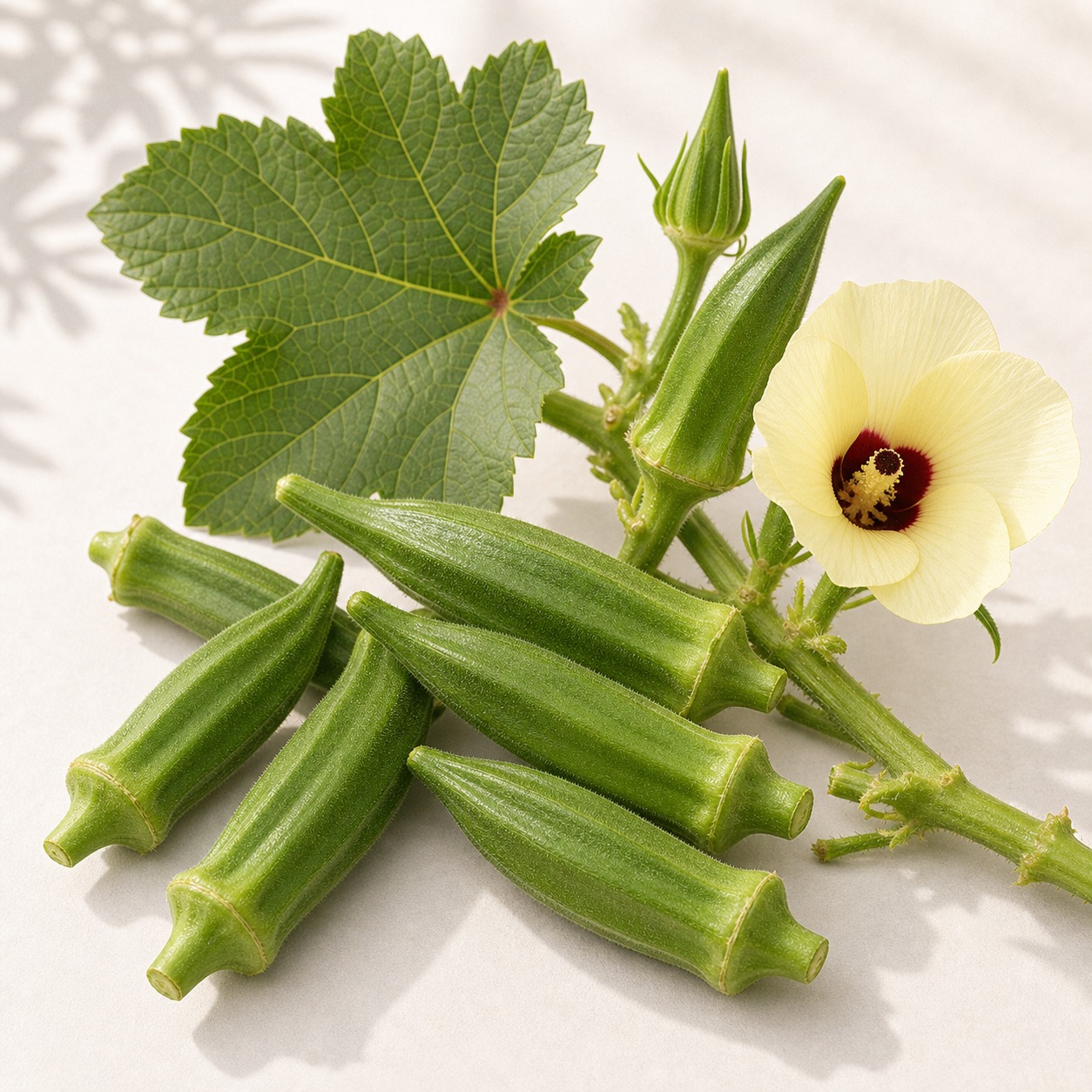
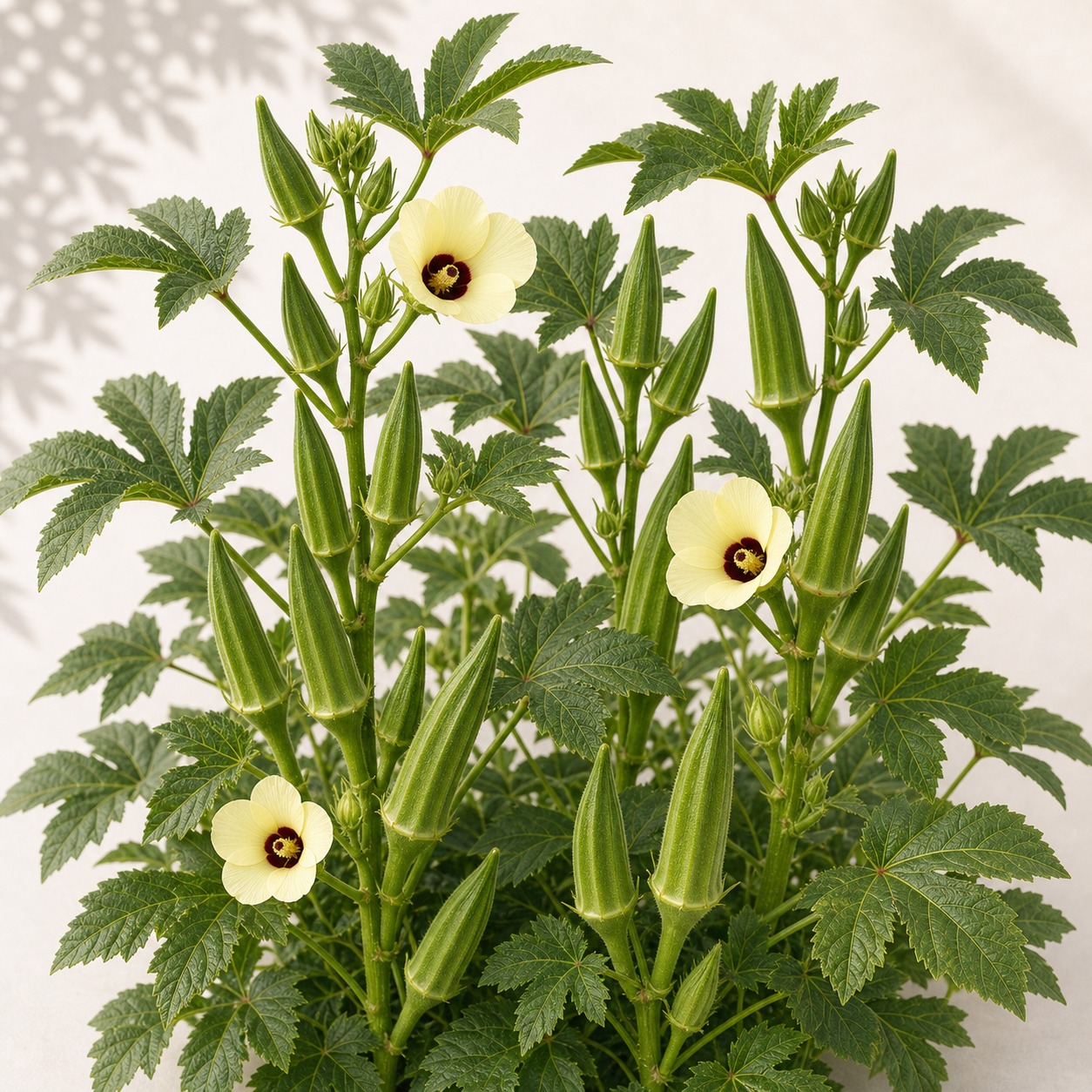
Clemson Spineless Okra Seeds grow a classic heat-loving vegetable with high yields, large plants, and tender green pods. This organic, Non-GMO okra is a strong choice for hot summer gardens, where regular harvests can begin in about 60 days and continue as new pods form.
Why Grow It
- Classic Clemson Spineless okra with tender green pods and strong summer production.
- Source notes high germination, heat-loving growth, and harvests in about 60 days.
- Plants can reach about 6 ft. tall, so give them warm soil, full sun, and room.
Growing Information
| Botanical name | Abelmoschus esculentus |
|---|---|
| Life cycle | Warm-season annual; perennial only in tropical zones 12-13 |
| Mature height | About 4-6 ft. tall in good heat and fertility |
| Light | Full sun |
| Bloom / harvest window | Cream-yellow hibiscus-like flowers followed by green pods; first harvest often about 60 days after sowing |
| Seed count | Approx. 50 Organic, Non-GMO seeds |
| Sowing advice | Soak seeds for 24 hours before planting. Direct sow or transplant after frost when soil is warm and temperatures are about 70-90 F. |
| Spacing | Space plants about 12-18 in. apart, with 3 ft. between rows or enough room for large plants |
| Germination | Usually 7-14 days in warm, evenly moist soil; okra dislikes cold soil |
Best For
- hot summer vegetable gardens
- raised beds with warm soil
- gumbo, stews, and frying
- regular fresh pod harvests
- organic kitchen garden rows
Packet Details
Includes approx. 50 Organic, Non-GMO seeds. Store seeds cool, dry, and dark until sowing. Refrigerate unused seed in an airtight container for best storage.
FAQ
Should I soak okra seed before planting?
Yes. we recommend soaking seeds for 24 hours before planting to help the hard seed coat take up moisture.
When should I harvest Clemson Spineless okra?
Pick pods often while they are tender. Clemson Spineless can stay useful at a larger size than many okras, but frequent harvest keeps plants productive.
Is okra annual or perennial?
For most gardeners it is a warm-season annual. It can behave as a perennial only in very warm tropical zones 12-13.
Reviews
There are no reviews yet.