Description
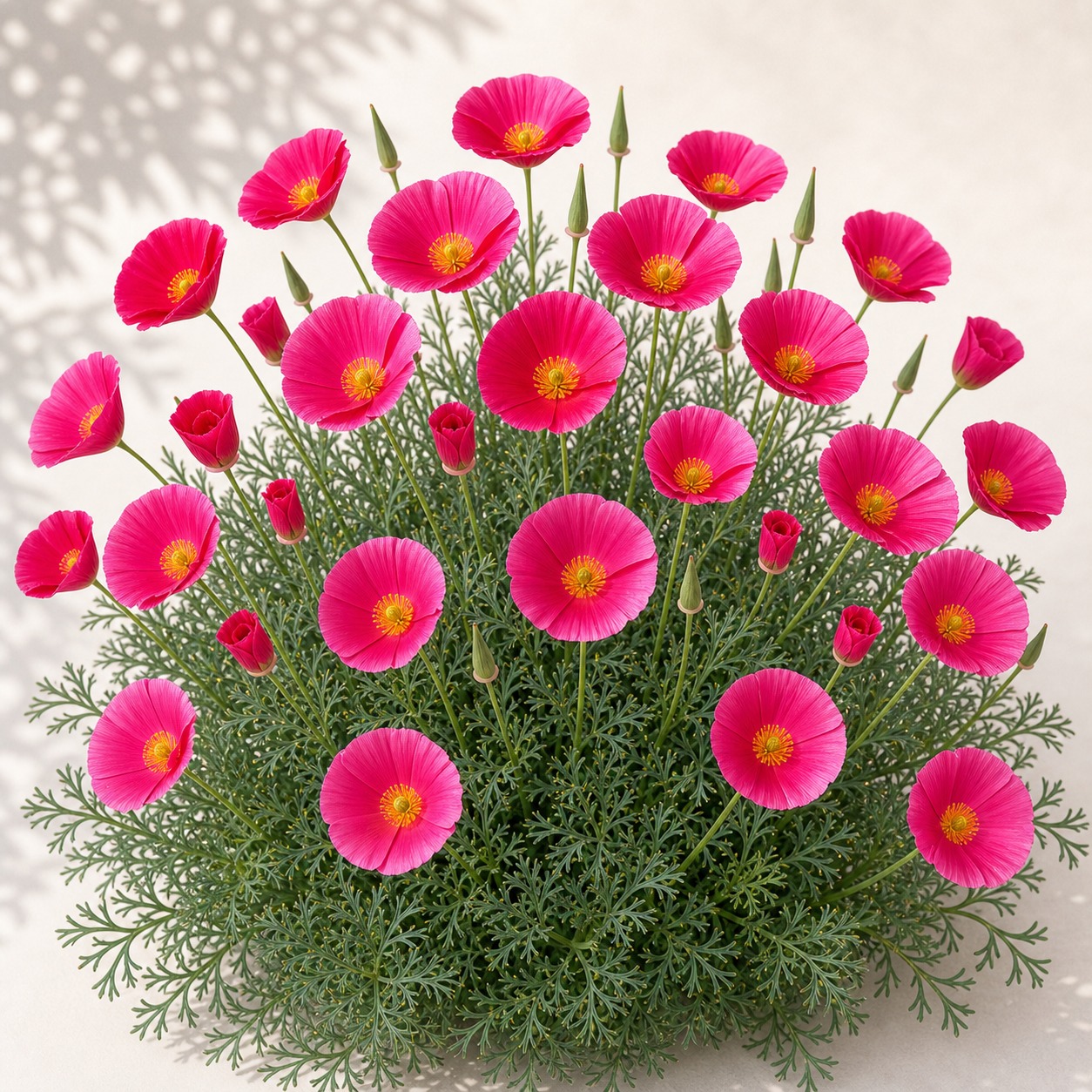
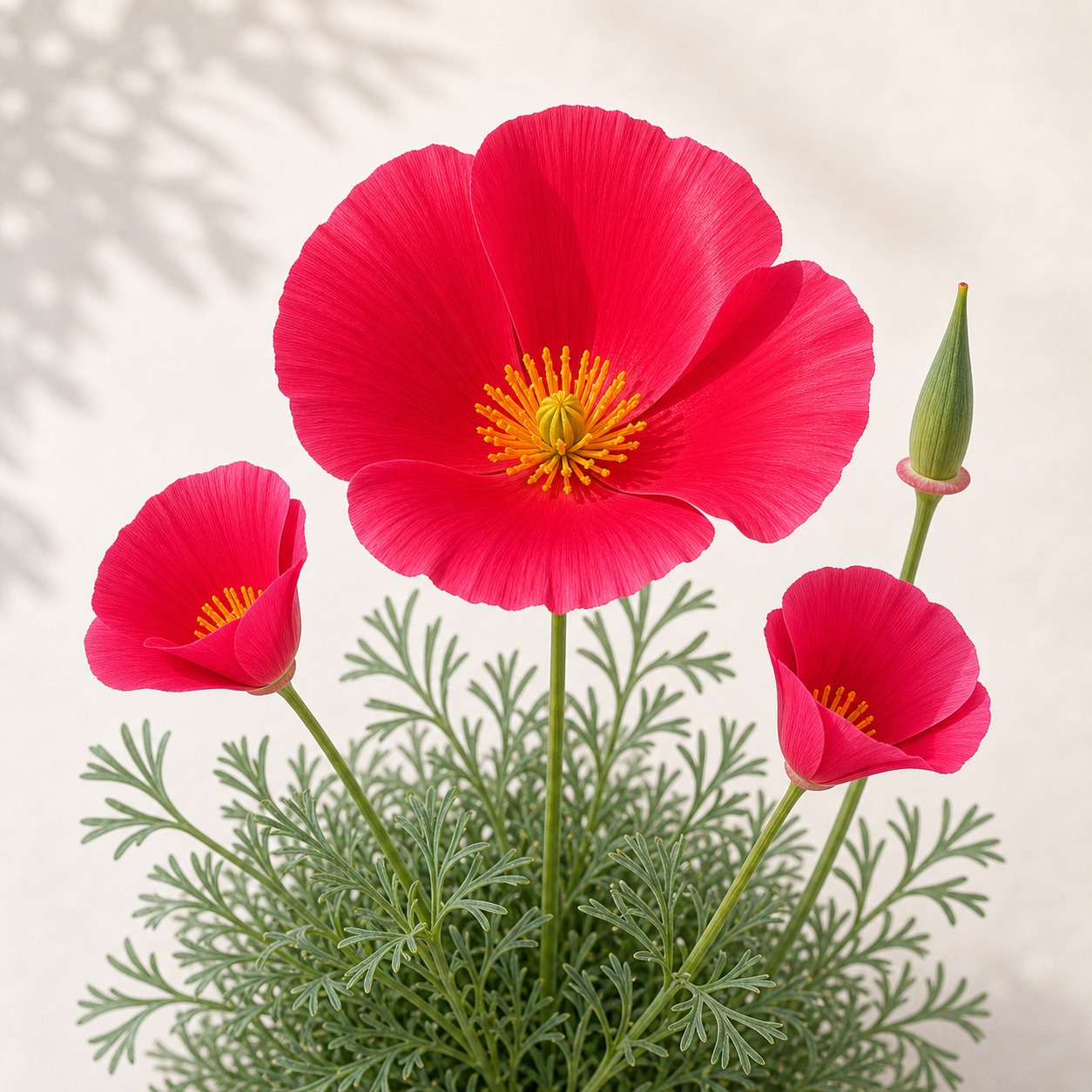
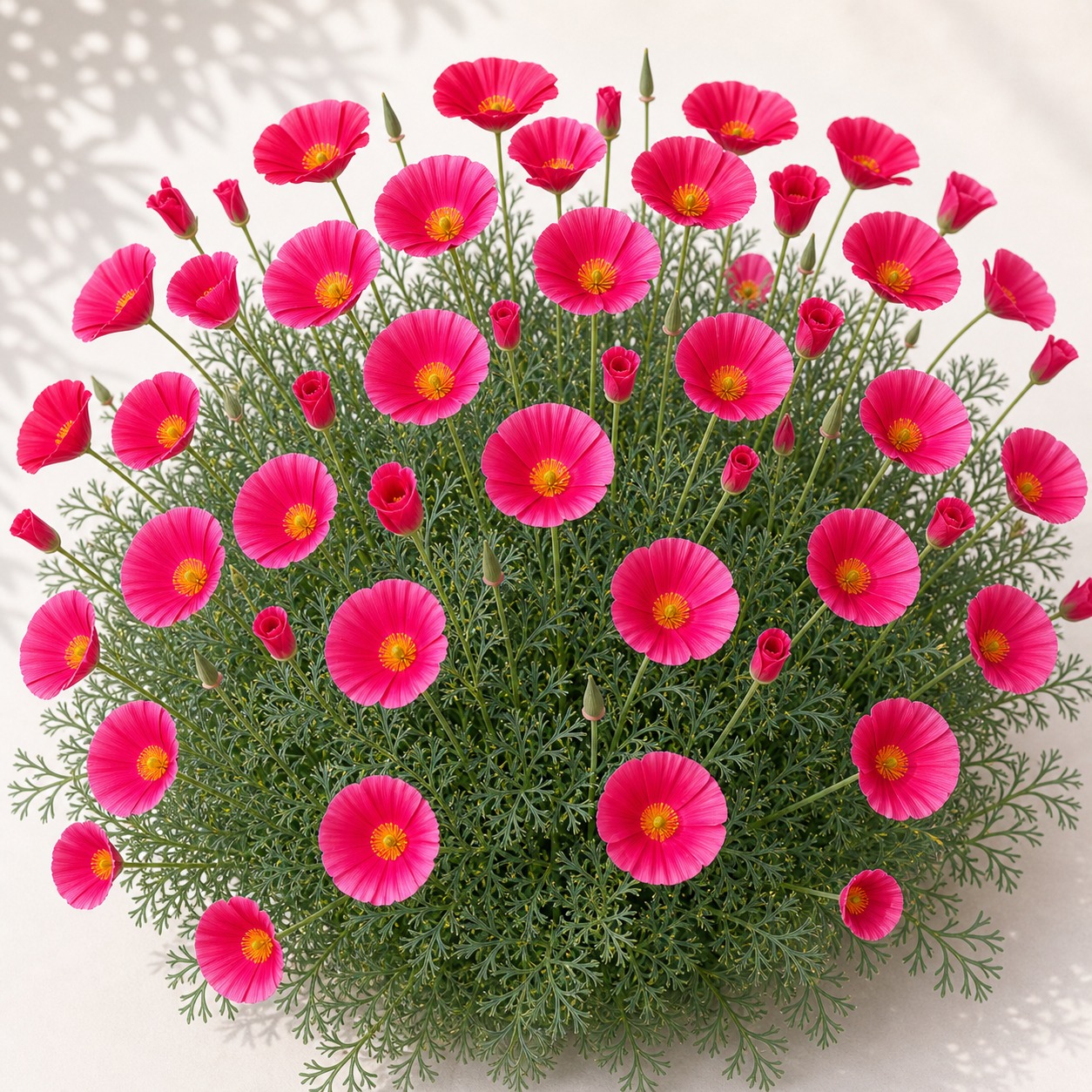
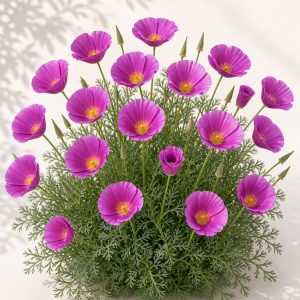
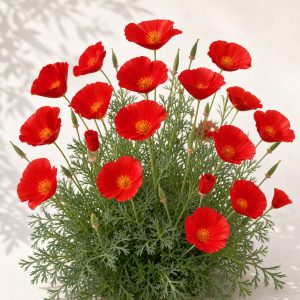
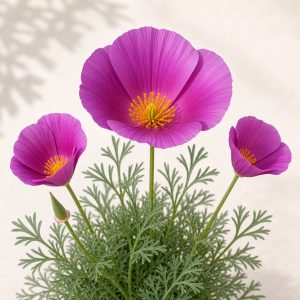
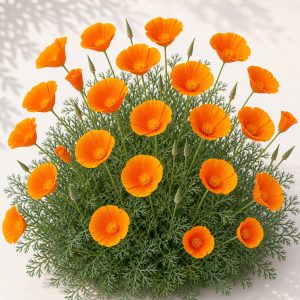
Carmine King California Poppy Seeds grow the western native poppy in a brilliant carmine-pink form, with silky cup-shaped flowers above blue-green ferny foliage. It is a strong choice for sunny wildflower edges, low-water borders, and Mediterranean-style gardens that need vivid pink color without high-maintenance watering.
Why Grow It
- Brilliant carmine-pink cup-shaped blooms with warm golden centers.
- California native wildflower species adapted to sunny, lean, well-drained soil.
- Perennial in zones 9-11 and commonly grown as an easy annual wildflower elsewhere.
Growing Information
| Botanical name | Eschscholzia californica |
|---|---|
| Life cycle | Short-lived perennial in zones 9-11; commonly grown as an annual wildflower elsewhere and may reseed where happy |
| Mature height | About 12-18 in. tall |
| Light | Full sun |
| Bloom / harvest window | Spring to early summer; may rebloom after cool-season moisture in mild climates |
| Seed count | Approx. 200 seeds |
| Sowing advice | Direct sow in fall in mild Mediterranean climates or early spring after frost in colder areas. Surface sow or cover very lightly, and keep newly planted seed evenly moist until germination. |
| Spacing | Thin to 8-12 in. apart, or broadcast lightly for a naturalized wildflower patch |
| Germination | Usually 10-20 days in cool to mild, evenly moist conditions |
Best For
- bright pink wildflower patches
- California and western native-style gardens
- low-water sunny borders
- pollinator-friendly beds
- rock garden edges with lean soil
Packet Details
Includes approx. 200 seeds. Store seeds cool, dry, and dark until sowing. Direct sow for the most natural, resilient stand.
FAQ
Is Carmine King an Oriental poppy?
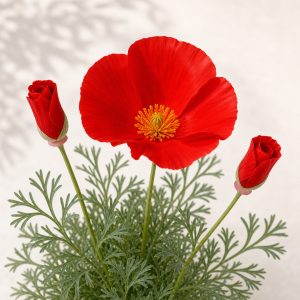
No. This is Eschscholzia californica, the California poppy, with smaller cup-shaped flowers and blue-green ferny foliage rather than large Oriental poppy blooms.
Will it reseed?
In mild climates and open soil, California poppies can reseed. Deadhead for tidiness or leave some seed pods if a naturalized patch is desired.
How much water does it need?
Keep the seedbed evenly moist until germination. Once established, plants prefer well-drained soil and can handle dry-summer conditions better than many bedding flowers.
Reviews
There are no reviews yet.