Description
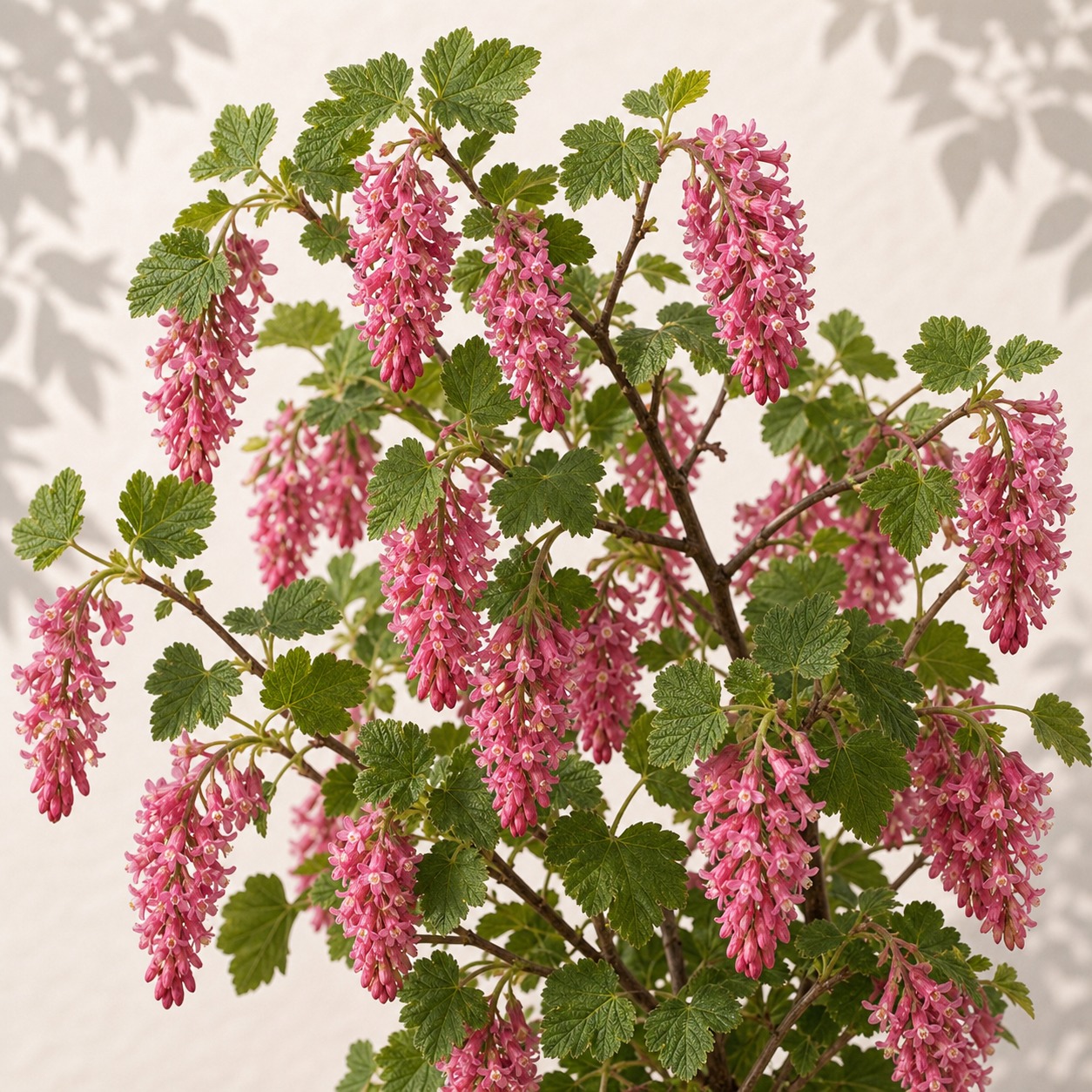
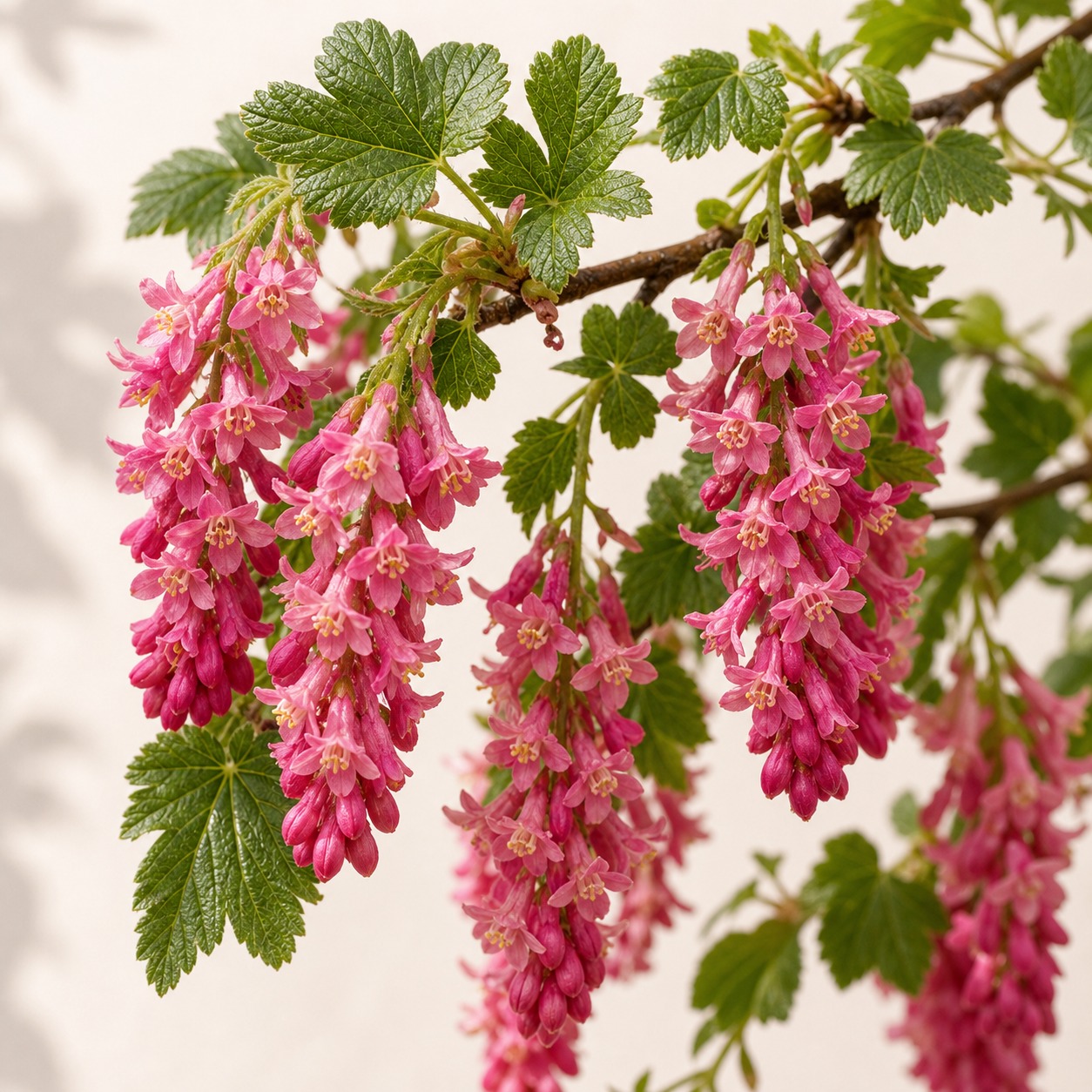
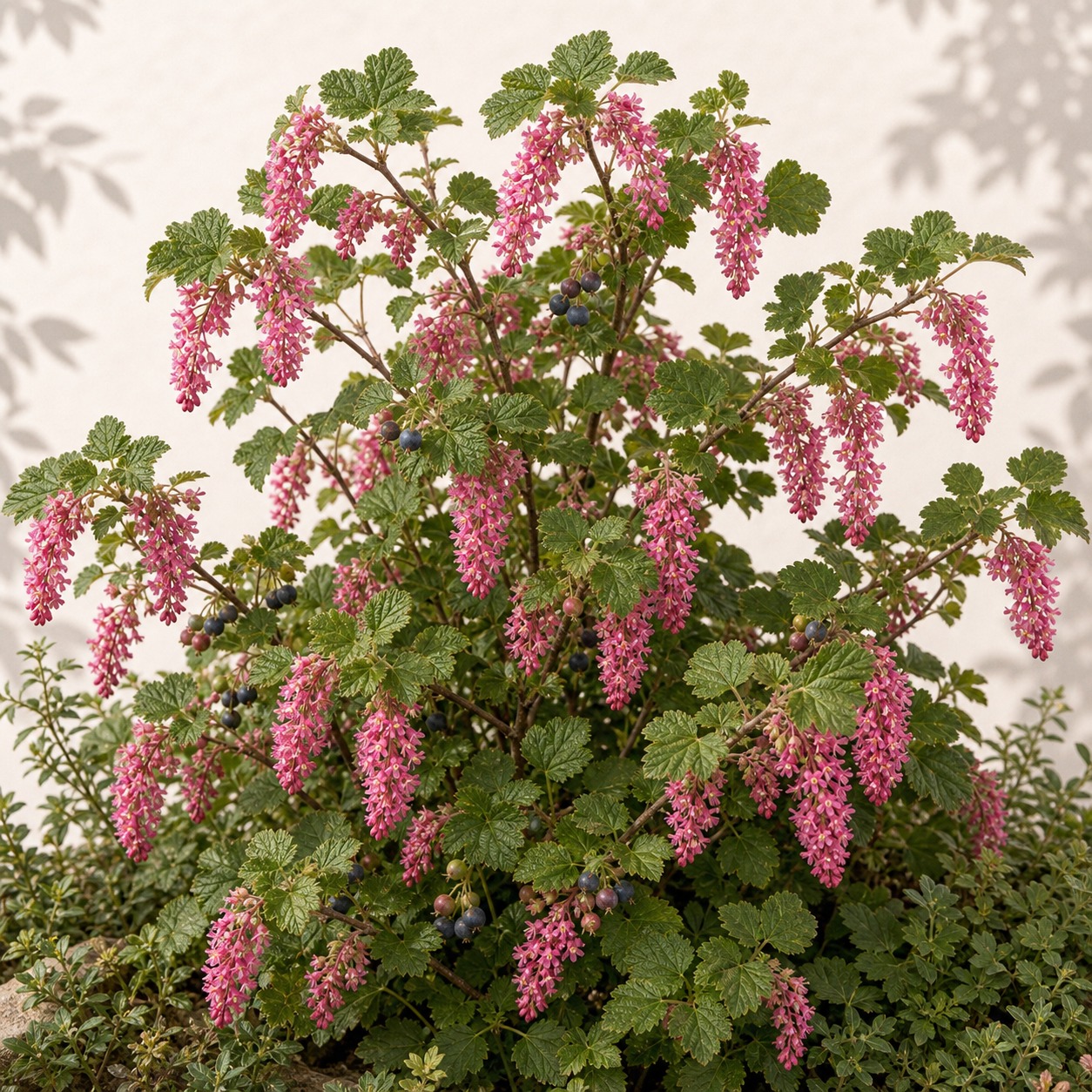
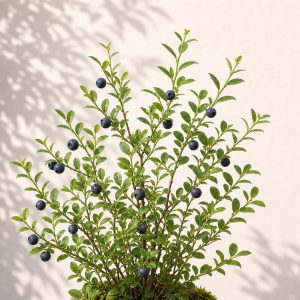
Native Pink Mountain Currant Seeds grow Ribes nevadense, also known as Sierra Currant, a refined western native shrub for woodland edges, canyon slopes, habitat gardens, and restoration-style plantings. Early pink flower clusters support pollinators when nectar is scarce, while later blue berries provide seasonal wildlife value.
Why Grow It
- Dangling flowers open soft pink and can deepen to vivid hot pink in early spring.
- Western native shrub for habitat gardens, woodland edges, canyon slopes, and mountain plantings.
- Supports pollinators early in the season and birds with later blue berries.
Growing Information
| Botanical name | Ribes nevadense |
|---|---|
| Life cycle | Deciduous perennial native shrub |
| Mature height | 3-6 ft. tall in suitable woodland and mountain sites |
| Light | Partial shade to full sun, best with some afternoon shade in warm climates |
| Bloom or harvest window | Early spring pink flower clusters, followed by sapphire-blue berries later in the season |
| Seed count | 25 seeds |
| Sowing advice | Cold stratify seed for about 90 days in a lightly moist medium, then sow shallowly in a well-drained seed mix. |
| Spacing | 3-6 ft. apart in woodland edges, habitat gardens, riparian plantings, or native shrub borders |
| Germination | Often slow or uneven; allow several weeks after cold stratification in cool to mild conditions |
Best For
- western native gardens
- pollinator habitat
- bird and wildlife plantings
- woodland edges
- restoration and canyon-slope plantings
Packet Details
Includes 25 seeds. Store cool, dry, and dark until stratification. Start with moist cold stratification, then sow shallowly and keep evenly moist.
FAQ
Do Mountain Currant seeds need cold stratification?
Yes. About 90 days of moist cold stratification is recommended before sowing.
Is Ribes nevadense mainly grown for fruit?
It can produce berries, but it is primarily valued for native habitat, pollinator support, ornamental flowers, and wildlife value.
Where should I plant Mountain Currant?
Use partial shade to full sun with well-drained soil, especially woodland edges, riparian corridors, and cooler mountain-style sites.

Reviews
There are no reviews yet.